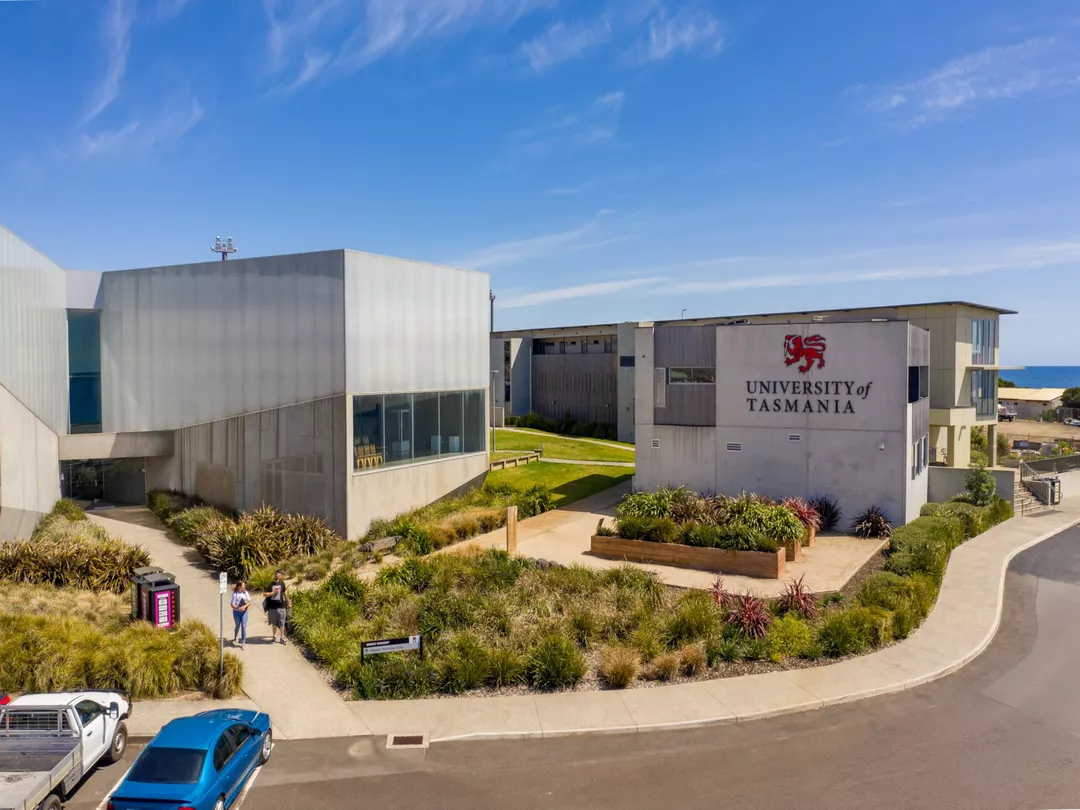

Hobart, Australia · Public university
University of Tasmania (UTAS)
- Location
- Hobart, Tasmania
- Institution
- Public University
- Founded
- 1890
- Campuses
- 3
- Courses listed
- 20
Overview
About University of Tasmania (UTAS)
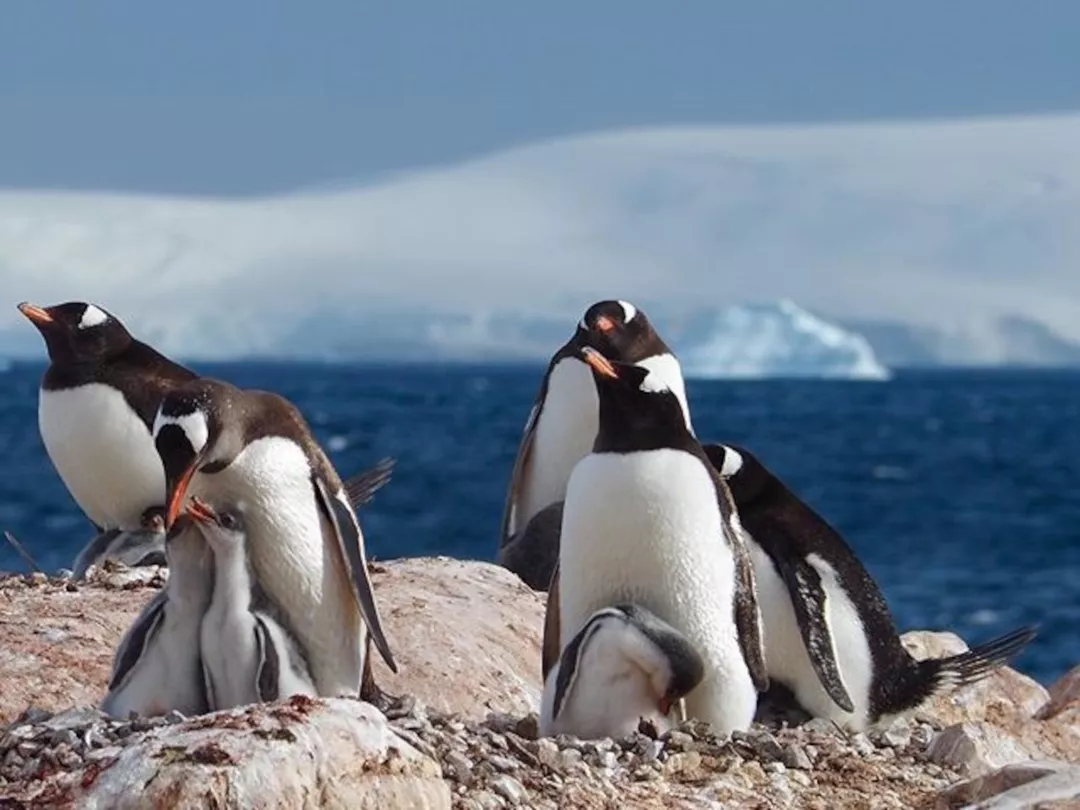
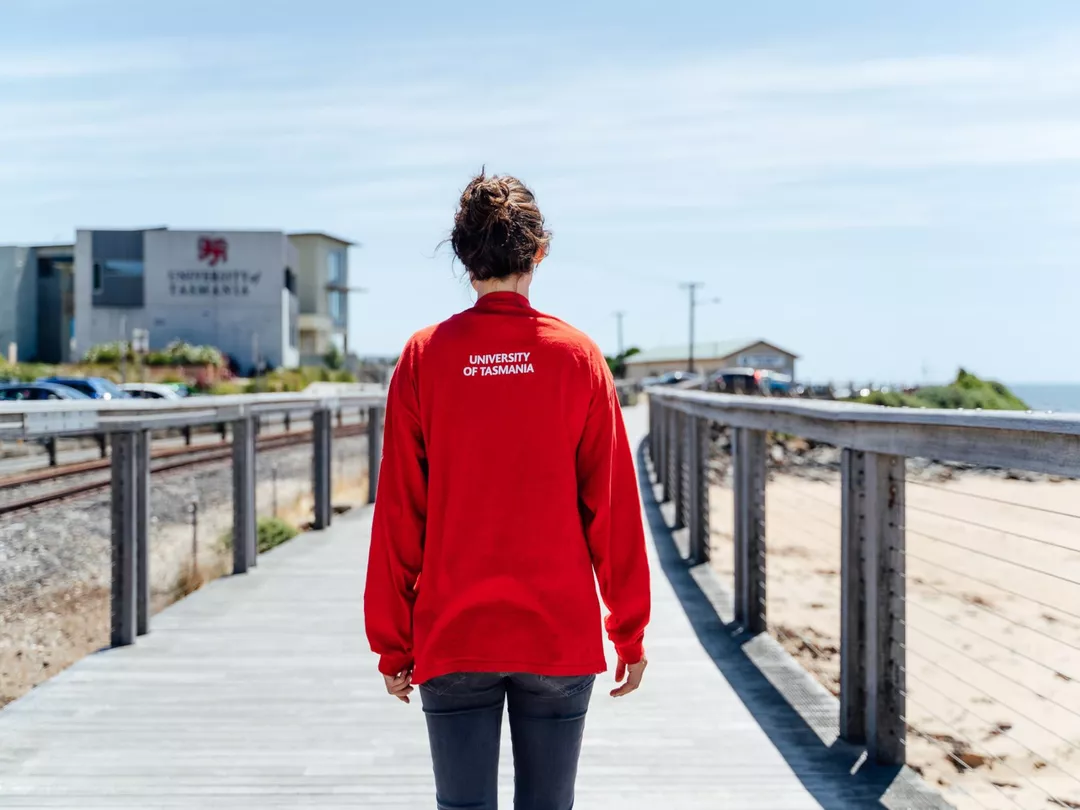
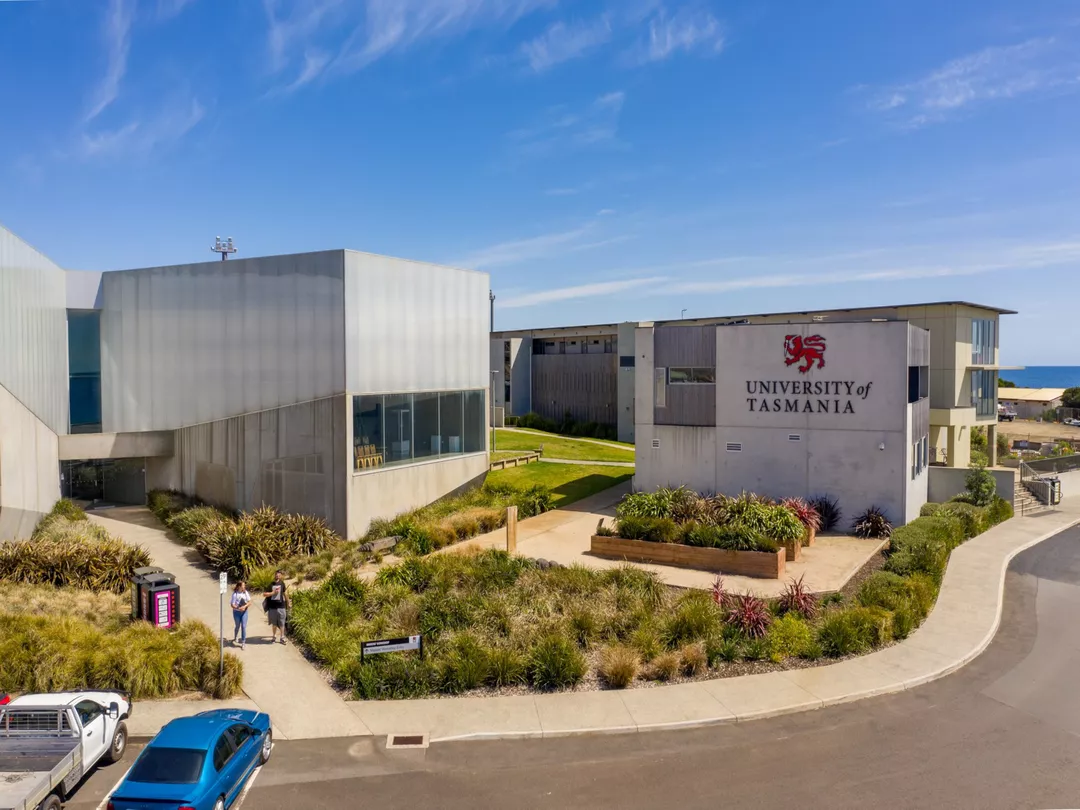
The University of Tasmania offers great courses in an extraordinary location, and teaching is supported by world-leading research, so students know that they're getting direct access to the best expertise. The courses give students the opportunity to explore nature and access adventure while they study, through field work and hands-on learning experiences that take them underwater, overseas and across this incredible island. No matter which University of Tasmania campus students choose to study at, they will be close to stunning wilderness and part of a vibrant and supportive community.
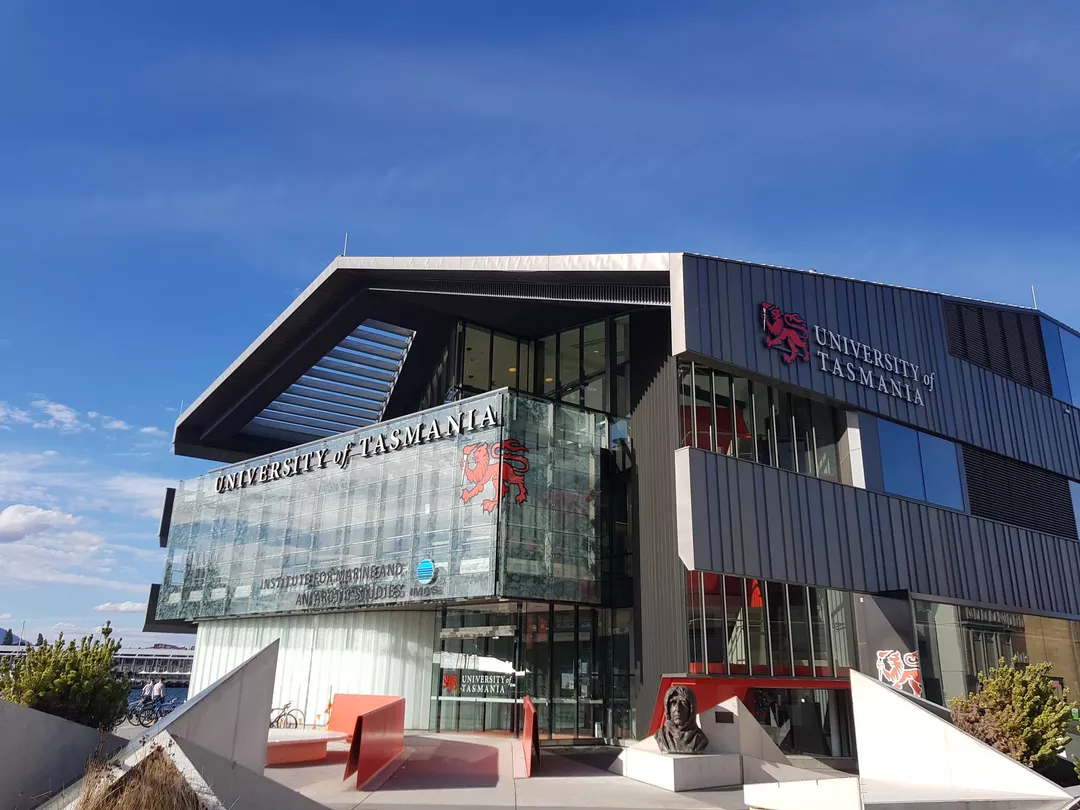
The University of Tasmania’s main campus in Hobart is located in the suburb of Sandy Bay. It has panoramic river and city views and is close to shops and transport. It is a quick walk from the city-based satellite campuses including the Hedberg, the School of Creative Arts and Media, the Institute for Marine and Antarctic Studies (IMAS), the Medical Science Precinct, the Media School and the Domain. The University also has off-campus facilities including the University Farm near Richmond, observatories and the Grote Reber Physics Museum in Cambridge, and an optical telescope located at Bisdee Tier, approximately 50 kilometres north of Hobart.
Why University of Tasmania - Hobart
- Campus Life and Surroundings: Tasmania has stylish cafes, restaurants and bars, music and arts festivals, historic cityscapes on the water, soaring snow-capped peaks, adventure sports, World Heritage wilderness and sparkling beaches. Hobart’s beautiful waterfront was recently listed as the sixth coolest neighbourhood in the world and the State was also named one of the Top Five Islands of the World by Travel and Leisure Magazine 2016. It’s a wonderful place to be a student.
- Supportive Learning Environment: As a medium-sized university with approximately 42,000 students, UTAS provides smaller classes, personalised attention and ready access to lecturers and tutors for advice and support. The dynamic international student body numbers around 7,000 students.
- Scholarships and Affordability: UTAS offers a range of generous scholarships schemes for international students. Tuition fees for international students are affordable and Tasmanian cities have a lower cost of living than most other cities in Australia, which allows for a more enjoyable student lifestyle.
- Academic Excellence: UTAS courses are globally recognised, and the University attracts some of the world’s best academics and researchers through its exciting research programs.
Campus life

Programs
Courses at University of Tasmania (UTAS)
Bachelor's · Science & Environment
Bachelor of Agricultural Science (Honours)
4 years
Next intake: Feb 2027
Apply by 30 Nov 2026
Bachelor's · Science & Environment
Bachelor of Agricultural Science (Honours)
4 years Next intake: Feb 2027 Apply by 30 Nov 2026
The Bachelor of Science - Agriculture Science (Specialization) course aims to provide studnet with a contemporary knowledge in agriculture . Students will develop a capacity for independent research and problem-solving that can lead to a higher research degree or a career in agricultural industries. They will be able to apply their skills and knowledge to address contemporary challenges and support sustainable agricultural growth and innovative food production in Tasmania. The specialized skills and knowledge developed through this course will enable graduates to critically evaluate data and promote sustainable, ethical and safe practices in the industries they choose to work in. Student will have the foundation to contribute towards the University’s strategic direction of improving processes and sustainability outcomes in Tasmania’s blue and green economies.
The course offers two majors; Crop Science and Plant Health and Sustainable Agriculture.
With Crop Science and Plant Health a strong focus on crop production and protection, you’ll learn how to apply this knowledge to increase productivity and sustainability in diverse production settings. Student will also study a broad range of topics including plant physiology, agronomy, horticultural science, entomology, plant pathology, chemistry, botany, microbiology and farm business economics.
With Sustainable Agriculture - The goal is to meet the needs of the present without compromising the ability of future generations to meet their own needs – and never has this been more important.
Upcoming intakes: Feb 2027 · Jul 2027 · Feb 2028
Bachelor's · Engineering & Construction
Bachelor of Architecture and Built Environments
3 years
Next intake: Feb 2027
Apply by 30 Nov 2026
Bachelor's · Engineering & Construction
Bachelor of Architecture and Built Environments
3 years Next intake: Feb 2027 Apply by 30 Nov 2026
The Bachelor of Architecture and Built Environments is a pre-professional course designed to ensure our graduates have the competencies necessary to gain admission to the Master of Architecture, and equivalent courses in design fields addressing the built environment. Core units within the program will develop creativity and innovative thinking, and provide a grounding in sustainable and ethical practice. Electives choices will enable you to design your portfolio and skill set, allowing entry into careers and pathways in your field of interest.
The Architecture program, comprising the Bachelor of Architecture and Built Environments and Master of Architecture, is nationally recognised and accredited by the Board of Architects of Tasmania, and the Architects Accreditation Council of Australia. Our program is also accredited in New Zealand, the USA, Canada, Japan, Singapore and Malaysia. Students who complete the Master of Architecture are eligible, following a period of relevant professional experience, to apply for registration as an architect in Australia.
Upcoming intakes: Feb 2027 · Jul 2027 · Feb 2028
Bachelor's · Social Sciences & Psychology
Bachelor of Arts (Honours) – Classics
1 year
Next intake: Feb 2027
Apply by 30 Nov 2026
Bachelor's · Social Sciences & Psychology
Bachelor of Arts (Honours) – Classics
1 year Next intake: Feb 2027 Apply by 30 Nov 2026
Program Description
The Bachelor of Arts with Honours degree allows students who have completed the Bachelor of Arts degree, a year of study to develop a body of knowledge in a specific context as further preparation to undertake professional work and/or as a pathway for Masters degree or Doctorate in the future. Graduates of the degree will have developed advanced knowledge of the underlying principles and concepts in one or more Humanities or Social Science disciplines and acknowledge of research principles and methods.
Upcoming intakes: Feb 2027 · Feb 2028
Bachelor's · Law & Criminology
Bachelor of Arts (Honours) – Criminology
1 year
Next intake: Feb 2027
Apply by 30 Nov 2026
Bachelor's · Law & Criminology
Bachelor of Arts (Honours) – Criminology
1 year Next intake: Feb 2027 Apply by 30 Nov 2026
Program Description
The Bachelor of Arts with Honours degree allows students who have completed the Bachelor of Arts degree, a year of study to develop a body of knowledge in a specific context as further preparation to undertake professional work and/or as a pathway for Masters degree or Doctorate in the future. Graduates of the degree will have developed advanced knowledge of the underlying principles and concepts in one or more Humanities or Social Science disciplines and acknowledge of research principles and methods.
Upcoming intakes: Feb 2027 · Feb 2028
Bachelor's · Arts, Media & Design
Bachelor of Arts (Honours) – English
1 year
Next intake: Feb 2027
Apply by 30 Nov 2026
Bachelor's · Arts, Media & Design
Bachelor of Arts (Honours) – English
1 year Next intake: Feb 2027 Apply by 30 Nov 2026
Program Description
The Bachelor of Arts with Honours degree allows students who have completed the Bachelor of Arts degree, a year of study to develop a body of knowledge in a specific context as further preparation to undertake professional work and/or as a pathway for Masters degree or Doctorate in the future. Graduates of the degree will have developed advanced knowledge of the underlying principles and concepts in one or more Humanities or Social Science disciplines and acknowledge of research principles and methods.
Upcoming intakes: Feb 2027 · Feb 2028
Bachelor's · Science & Environment
Bachelor of Arts (Honours) – Geography and Environment
1 year
Next intake: Feb 2027
Apply by 30 Nov 2026
Bachelor's · Science & Environment
Bachelor of Arts (Honours) – Geography and Environment
1 year Next intake: Feb 2027 Apply by 30 Nov 2026
Program Description
The Bachelor of Arts with Honours degree allows students who have completed the Bachelor of Arts degree, a year of study to develop a body of knowledge in a specific context as further preparation to undertake professional work and/or as a pathway for Masters degree or Doctorate in the future. Graduates of the degree will have developed advanced knowledge of the underlying principles and concepts in one or more Humanities or Social Science disciplines and acknowledge of research principles and methods.
In Australia and around the world, employers are increasingly seeing graduates who can speak and write clearly; who are computer literate and understand how to use technology; who know about other countries, cultures and societies; who can solve problems creatively; and who have developed that flexibility of thought which technical and vocational training rarely encourages.
Graduates with a Bachelor of Arts (Honours) degree find jobs in, for example: advertising, journalism, radio and television; arts administration, heritage and curatorial positions; diplomacy, interpreting and tourism; management, marketing and administration; politics, the public service, the police force and the armed forces; research and publishing; social welfare and community work, or go onto academic careers.
Upcoming intakes: Feb 2027 · Feb 2028
Bachelor's · Science & Environment
Bachelor of Arts (Honours) – Geography and Environmental Sciences
1 year
Next intake: Feb 2027
Apply by 30 Nov 2026
Bachelor's · Science & Environment
Bachelor of Arts (Honours) – Geography and Environmental Sciences
1 year Next intake: Feb 2027 Apply by 30 Nov 2026
Program Description
The Bachelor of Arts with Honours degree allows students who have completed the Bachelor of Arts degree, a year of study to develop a body of knowledge in a specific context as further preparation to undertake professional work and/or as a pathway for Masters degree or Doctorate in the future. Graduates of the degree will have developed advanced knowledge of the underlying principles and concepts in one or more Humanities or Social Science disciplines and acknowledge of research principles and methods.
Upcoming intakes: Feb 2027 · Feb 2028
Bachelor's · Social Sciences & Psychology
Bachelor of Arts (Honours) – History
1 year
Next intake: Feb 2027
Apply by 30 Nov 2026
Bachelor's · Social Sciences & Psychology
Bachelor of Arts (Honours) – History
1 year Next intake: Feb 2027 Apply by 30 Nov 2026
Program Description
The Bachelor of Arts with Honours degree allows students who have completed the Bachelor of Arts degree, a year of study to develop a body of knowledge in a specific context as further preparation to undertake professional work and/or as a pathway for Masters degree or Doctorate in the future. Graduates of the degree will have developed advanced knowledge of the underlying principles and concepts in one or more Humanities or Social Science disciplines and acknowledge of research principles and methods.
Upcoming intakes: Feb 2027 · Feb 2028
Bachelor's · Social Sciences & Psychology
Bachelor of Arts (Honours) – International Relations
1 year
Next intake: Feb 2027
Apply by 30 Nov 2026
Bachelor's · Social Sciences & Psychology
Bachelor of Arts (Honours) – International Relations
1 year Next intake: Feb 2027 Apply by 30 Nov 2026
Program Description
The Bachelor of Arts with Honours degree allows students who have completed the Bachelor of Arts degree, a year of study to develop a body of knowledge in a specific context as further preparation to undertake professional work and/or as a pathway for Masters degree or Doctorate in the future. Graduates of the degree will have developed advanced knowledge of the underlying principles and concepts in one or more Humanities or Social Science disciplines and acknowledge of research principles and methods.
Upcoming intakes: Feb 2027 · Feb 2028
Bachelor's · Computing & IT
Bachelor of Information and Communication Technology
3 years
Next intake: Feb 2027
Apply by 30 Nov 2026
Bachelor's · Computing & IT
Bachelor of Information and Communication Technology
3 years Next intake: Feb 2027 Apply by 30 Nov 2026
The Bachelor of Information and Communication Technology is a specialist degree covering Information Technology (IT), Computer Science (CS) and Information Systems (IS) with both a theoretical and practical focus. It develops technological understanding and skills that are in high demand world-wide, plus builds project management and other business soft-skills that make graduates ICT professionals.
Students will develop knowledge and capabilities in communication, design, development and management and learn what it takes to implement and integrate ICT within an organisation. Students will also complete a hands-on project that gives them real-world experience and professional networking opportunities before they start their career. Students will graduate with the skills and knowledge to grow into leadership positions; the drive to act on entrepreneurial ambition; and the confidence to pursue research and graduate studies.
Upcoming intakes: Feb 2027 · Jul 2027 · Feb 2028
Master's · Health & Nursing
Master of Agriculture and Food Sciences (Specialisation) – Crop Science and Plant Health
2 years
Next intake: Feb 2027
Apply by 30 Nov 2026
Master's · Health & Nursing
Master of Agriculture and Food Sciences (Specialisation) – Crop Science and Plant Health
2 years Next intake: Feb 2027 Apply by 30 Nov 2026
The Master of Agriculture and Food Science (Specialisation) course aims to provide graduates with advanced contemporary knowledge in agricultural and food sciences. Students will develop a capacity for independent research and problem-solving that can lead to a higher research degree or a career in agriculture and food-related industries. They will be able to apply their skills and knowledge to address contemporary challenges and support sustainable agricultural growth and innovative food production in Tasmania.
The specialised skills and knowledge developed through this course will enable graduates to critically evaluate data and promote sustainable, ethical and safe practices in the industries they choose to work in. Graduates will have the foundation to contribute towards the University’s strategic direction of improving processes and sustainability outcomes in Tasmania’s blue and green economies.
Upcoming intakes: Feb 2027 · Jul 2027 · Feb 2028
Master's · Science & Environment
Master of Agriculture and Food Sciences (Specialisation) – Food Microbiology
2 years
Next intake: Feb 2027
Apply by 30 Nov 2026
Master's · Science & Environment
Master of Agriculture and Food Sciences (Specialisation) – Food Microbiology
2 years Next intake: Feb 2027 Apply by 30 Nov 2026
The Master of Agriculture and Food Science (Specialisation) course aims to provide graduates with advanced contemporary knowledge in agricultural and food sciences. Students will develop a capacity for independent research and problem-solving that can lead to a higher research degree or a career in agriculture and food-related industries. They will be able to apply their skills and knowledge to address contemporary challenges and support sustainable agricultural growth and innovative food production in Tasmania.
The specialised skills and knowledge developed through this course will enable graduates to critically evaluate data and promote sustainable, ethical and safe practices in the industries they choose to work in. Graduates will have the foundation to contribute towards the University’s strategic direction of improving processes and sustainability outcomes in Tasmania’s blue and green economies.
Upcoming intakes: Feb 2027 · Feb 2028
Master's · Science & Environment
Master of Agriculture and Food Sciences (Specialisation) – Sustainable Agricultural Systems
2 years
Next intake: Feb 2027
Apply by 30 Nov 2026
Master's · Science & Environment
Master of Agriculture and Food Sciences (Specialisation) – Sustainable Agricultural Systems
2 years Next intake: Feb 2027 Apply by 30 Nov 2026
The Master of Agriculture and Food Science (Specialisation) course aims to provide graduates with advanced contemporary knowledge in agricultural and food sciences. Students will develop a capacity for independent research and problem-solving that can lead to a higher research degree or a career in agriculture and food-related industries. They will be able to apply their skills and knowledge to address contemporary challenges and support sustainable agricultural growth and innovative food production in Tasmania.
The specialised skills and knowledge developed through this course will enable graduates to critically evaluate data and promote sustainable, ethical and safe practices in the industries they choose to work in. Graduates will have the foundation to contribute towards the University’s strategic direction of improving processes and sustainability outcomes in Tasmania’s blue and green economies.
Upcoming intakes: Feb 2027 · Jul 2027 · Feb 2028
Master's · Engineering & Construction
Master of Architecture
2 years
Next intake: Feb 2027
Apply by 30 Nov 2026
Master's · Engineering & Construction
Master of Architecture
2 years Next intake: Feb 2027 Apply by 30 Nov 2026
Program Description
The Master of Architecture degree is an accredited professional degree that provides advanced education in architecture and is the principal pathway to registration as a practising architect. The program extends the development of skills and knowledge in architecture built on the undergraduate Bachelor of Architecture and Built Environments degree and draws on a rich treasury of teaching traditions, community partnerships, technical capabilities, design excellence, and questing research. The program aims to foster a profound and enduring engagement with architecture as profession, discipline, and culture.
Project-based design studios form the core of the program. These emphasise professionalism, critical and rigorous design thinking, knowledge of contemporary and emergent theories, technologies and practices, and the development of skills for a diversity of future careers in architecture. Students gain experience tackling a range of challenging design problems, including those relating to urban futures, social and environmental responsibility, and complex buildings. Studios are complemented by units in Professional Practice, Advanced Technologies, and Design Research, with a choice of options to enable tailored pathways through the field. The program culminates with a research-led final project nurtured by professional and discipline leaders in small studio groups.
Upcoming intakes: Feb 2027 · Jul 2027 · Feb 2028
Master's · Science & Environment
Master of Chemistry – Analytical and Environment
2 years
Next intake: Jul 2027
Apply by 1 Jul 2027
Master's · Science & Environment
Master of Chemistry – Analytical and Environment
2 years Next intake: Jul 2027 Apply by 1 Jul 2027
The Master of Chemistry program equips students with advanced skills for diverse chemistry careers. It offers a strong foundation for specialization or qualification enhancement.
Students engage in world-class research guided by experts, completing a research thesis to develop communication skills and practical experience. Chemistry plays a crucial role in industries like environmental protection, advanced manufacturing, and pharmaceuticals, preparing graduates to make a significant impact.
Graduates can pursue professional membership in the Royal Australian Chemical Institute and explore PhD pathways, opening exciting opportunities in Australia and internationally.
Learning outcomes
- Evaluate and interpret complex problems in a specialized area of chemistry.
- Demonstrate technical proficiency and professional practice, adhering to regulatory frameworks in a laboratory or industry context.
- Design and implement a research project in a specialized area of chemistry.
- Analyze and communicate scientific results, articulating arguments and conclusions, following recognized scientific standards.
- Analytical chemistry provides methods for environmental chemistry, studying chemicals in the environment and their effects. This field, employs analytical techniques to identify, quantify, and monitor chemical pollutants in air, water, and soil, addressing environmental issues. It is vital for pollution control, risk assessment, and tracking environmental changes over time.
Upcoming intakes: Jul 2027 · Jul 2028
Master's · Engineering & Construction
Master of Chemistry – Synthesis and Materials Science
2 years
Next intake: Feb 2027
Apply by 30 Nov 2026
Master's · Engineering & Construction
Master of Chemistry – Synthesis and Materials Science
2 years Next intake: Feb 2027 Apply by 30 Nov 2026
The Master of Chemistry program equips students with advanced skills for diverse chemistry careers. It offers a strong foundation for specialization or qualification enhancement.
Students engage in world-class research guided by experts, completing a research thesis to develop communication skills and practical experience. Chemistry plays a crucial role in industries like environmental protection, advanced manufacturing, and pharmaceuticals, preparing graduates to make a significant impact.
Graduates can pursue professional membership in the Royal Australian Chemical Institute and explore PhD pathways, opening exciting opportunities in Australia and internationally.
Learning outcomes
- Evaluate and interpret complex problems in a specialized area of chemistry.
- Demonstrate technical proficiency and professional practice, adhering to regulatory frameworks in a laboratory or industry context.
- Design and implement a research project in a specialized area of chemistry.
- Analyze and communicate scientific results, articulating arguments and conclusions, following recognized scientific standards.
- Synthesis and Materials Science with chemistry involves using chemical reactions to create new materials and studying their properties. This interdisciplinary field designs novel materials with specific characteristics for applications from pharmaceuticals to advanced electronics. It combines chemical creation with processing and characterization to understand and control macroscopic behavior.
Upcoming intakes: Feb 2027 · Feb 2028
Master's · Science & Environment
Master of Economic Geology
2 years
Next intake: Feb 2027
Apply by 30 Nov 2026
Master's · Science & Environment
Master of Economic Geology
2 years Next intake: Feb 2027 Apply by 30 Nov 2026
Program Description
This is a specialised Masters degree course in Economic Geology specifically designed for industry and government geologists. It is the nucleus of the postgraduate teaching program at the ARC Centre of Excellence in Ore Deposits (CODES) and forms part of the National Minerals Geoscience Masters Program. The course is usually only offered on a part-time, external basis. Only students that can provide evidence of financial and logistical support, and provide a research proposal will be considered for full-time admission.
Upcoming intakes: Feb 2027 · Jul 2027 · Feb 2028
Master's · Computing & IT
Master of Information Technology and Systems
2 years
Next intake: Feb 2027
Apply by 30 Nov 2026
Master's · Computing & IT
Master of Information Technology and Systems
2 years Next intake: Feb 2027 Apply by 30 Nov 2026
The Master of Information Technology and Systems (MITS) provides a wide breadth of knowledge of varying aspects of information technology (IT) and information systems (IS). The MITS provides students with a previous tertiary qualification in any discipline area with the knowledge, understanding and skills to enable them to deal effectively with advanced issues involving IT and IS.
The MITS provides non-ICT students with broad knowledge and understanding of fundamental information and communication technology concepts and principles. It also enables all students to select significant areas for in-depth study, from a range of advanced IT and IS areas, to provide students with knowledge, understanding and experiences that transcend technologies and are robust over time so that students are well-placed to deal with ongoing, rapid changes in the IT and IS fields. Studies in the various advanced areas of ICT allow students to develop a professional, responsible, self-reflective and critical attitude to the practice of ICT.
Upcoming intakes: Feb 2027 · Jul 2027 · Feb 2028
Master's · Science & Environment
Master of Professional Accounting – Accounting for Sustainable Business
2 years
Next intake: Feb 2027
Apply by 30 Nov 2026
Master's · Science & Environment
Master of Professional Accounting – Accounting for Sustainable Business
2 years Next intake: Feb 2027 Apply by 30 Nov 2026
The Master of Professional Accounting will provide students with a holistic overview of accounting in today’s business world, including the social, financial, and environmental impacts of the industry. Students will engage with UTAS' Australian industry partners, such as KPMG, CPA, Blundstone, and Hazell Bros, all while learning in a supportive and interactive environment.
While students can study accounting anywhere in the world, by choosing to study in Tasmania they will be fully immersed in the uniqueness of Tasmanian industry. UTAS' direct connection to industry means that students will develop a strong understanding of Tasmania’s key sectors, including aquaculture, agribusiness, export trade, and tourism. With sustainability embedded into UTAS major units, students will learn to how to make socially and environmentally responsible decisions, as well as provide advice to clients on the financial and environmental impact of their business.
While completing their degree, students will simultaneously be growing their professional network and enhancing their career prospects. UTAS' industry workshops and internships allow students to meet real employers and see first-hand how professionals of all levels apply their skills in everyday work. For many UTAS students, there has also been direct employment opportunities as a result of their internship and industry connections.
Upcoming intakes: Feb 2027 · Jul 2027 · Feb 2028
Master's · Social Sciences & Psychology
Master of Social Work – Qualifying
2 years
Next intake: Feb 2027
Apply by 30 Nov 2026
Master's · Social Sciences & Psychology
Master of Social Work – Qualifying
2 years Next intake: Feb 2027 Apply by 30 Nov 2026
Now more than ever compassionate and engaged social workers are needed to help improve the life-chances and wellbeing of people and to combat societal inequality. Contemporary social workers need contemporary skills to respond meaningfully to social problems. Our Master of Social Work (Qualifying) has been redesigned after direct industry feedback to reflect current and emerging practice trends in the profession.
The newly updated course with specialisation options will give you key skills in ethical, innovative and collaborative social work practice. The new curriculum will equip you with advanced knowledge of social work research principles and methods. It also includes 1,000 hours of supervised professional field education placement, and students are encouraged to take part in additional project and research work with communities and industry.
You will graduate as a creative and ethical communicator who respectfully uses knowledge to meet the needs of diverse social work client groups, communities and organisations. You will be able to respond to social justice and human rights challenges in ways that are culturally sensitive, principled, and effective.
Upcoming intakes: Feb 2027 · Feb 2028
No courses match your search.
Student life & support
Work while studying
International students can work part-time alongside their studies (subject to visa conditions).
Co-op & placements
Offers co-op or work-placement options in selected programs.
On-campus housing
Students typically arrange off-campus or homestay accommodation.
Accommodation options
Students need to plan their accommodations well in advance of their arrival as all accommodation options fill up quickly, well before the start of the semester.
On-Campus Residence Accommodations
On-Campus residence accommodations are provided per discretion by the school.
Off-Campus Accommodations
The local area has a variety of off-campus rental housing options including single homes, duplexes, apartments and rooms for rent. Students wishing to live off-campus need to research availability on their own and should arrive well before the start of term to do so.
Homestay
There are a wide variety of homestay options available, and our partners do their best to match students and hosts according to their interests and preferences. Homestay hosts include single people, young couples with children and pets, and older couples. All homestay accommodations have been inspected, and all adults in the home have completed a required criminal reference check.