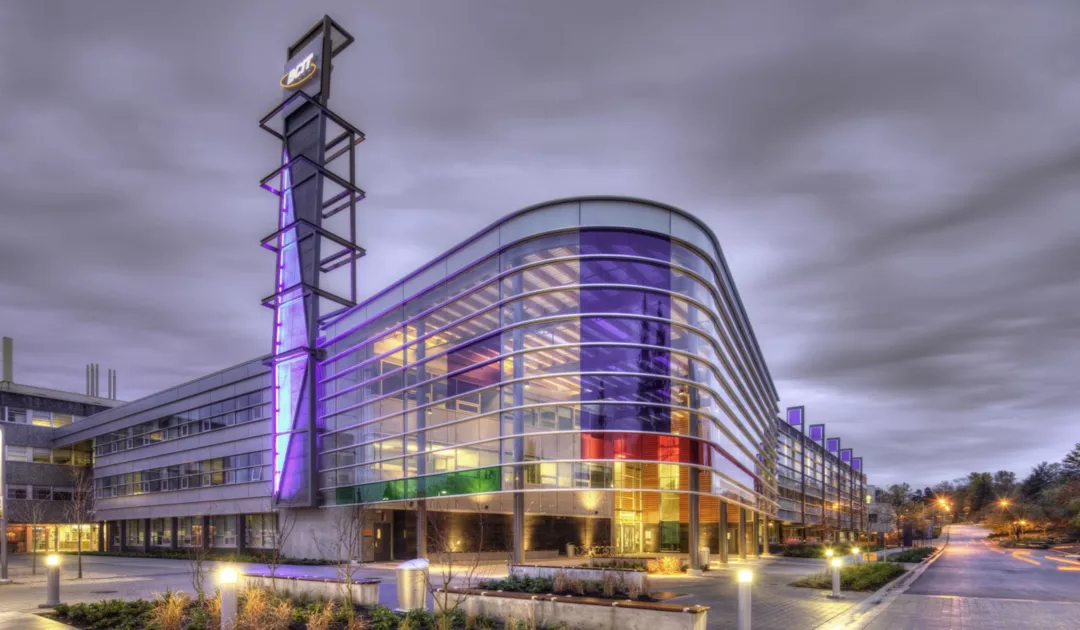

Burnaby, Canada · Public college & institute
British Columbia Institute of Technology
- Location
- Burnaby, British Columbia
- Institution
- Public College & Institute
- Founded
- 1964
- Campuses
- 2
- Courses listed
- 16
Overview
About British Columbia Institute of Technology
Since 1964, the British Columbia Institute of Technology (BCIT) has taught and trained experts, professionals, and innovators who shape the economy—across BC and around the world. They are proud to deliver an education that goes beyond textbooks and classrooms. BCIT's students gain the technical skills, real-world experience, and problem-solving ability needed to embrace complexity and lead innovation in a rapidly changing workforce. Through close collaboration with industry, their network of alumni and partners continue to achieve global success. BCIT offers practical career credentials designed for the workplace, from diplomas and certificates to bachelor’s and master’s degrees.
BCIT delivers programs and courses to nearly 50,000 students, over 4,500 whom are international students from 110 countries, through their six Schools. Their faculty also work closely with industry, delivering training, providing expert advice and helping to bring ideas to market. Their schools cover subjects as diverse as applied and natural sciences, business and media, computing and IT, engineering, health sciences and trades.
Why BCIT - Burnaby
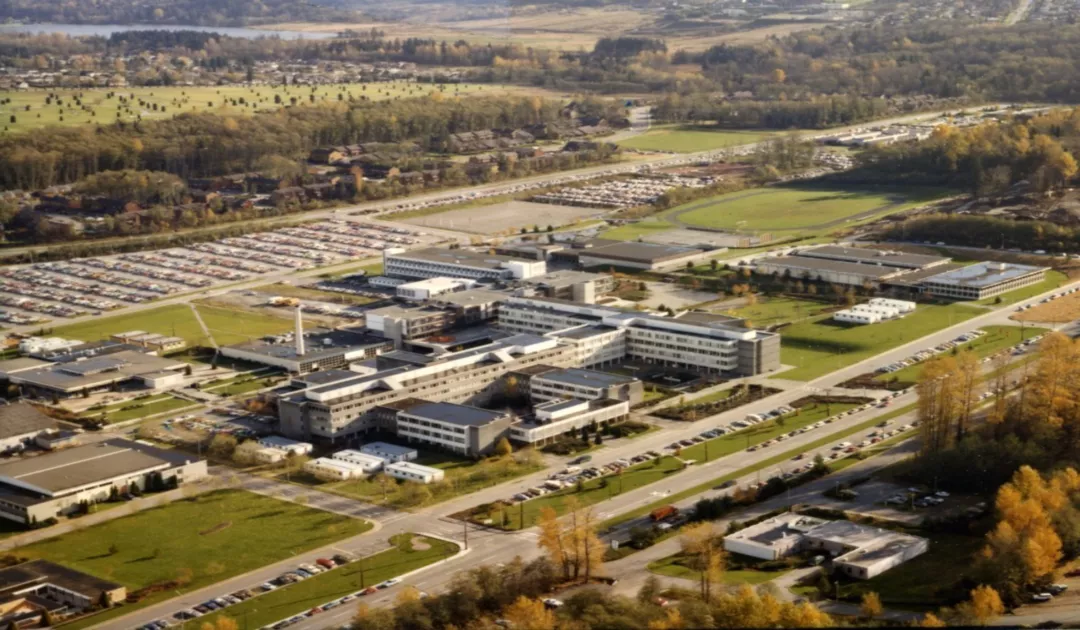
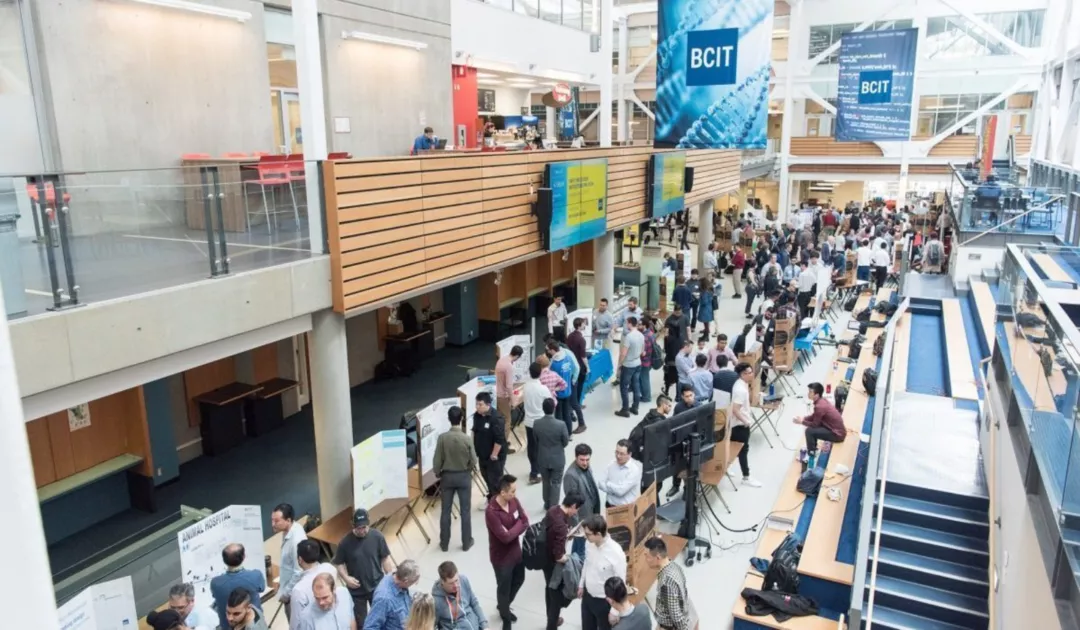
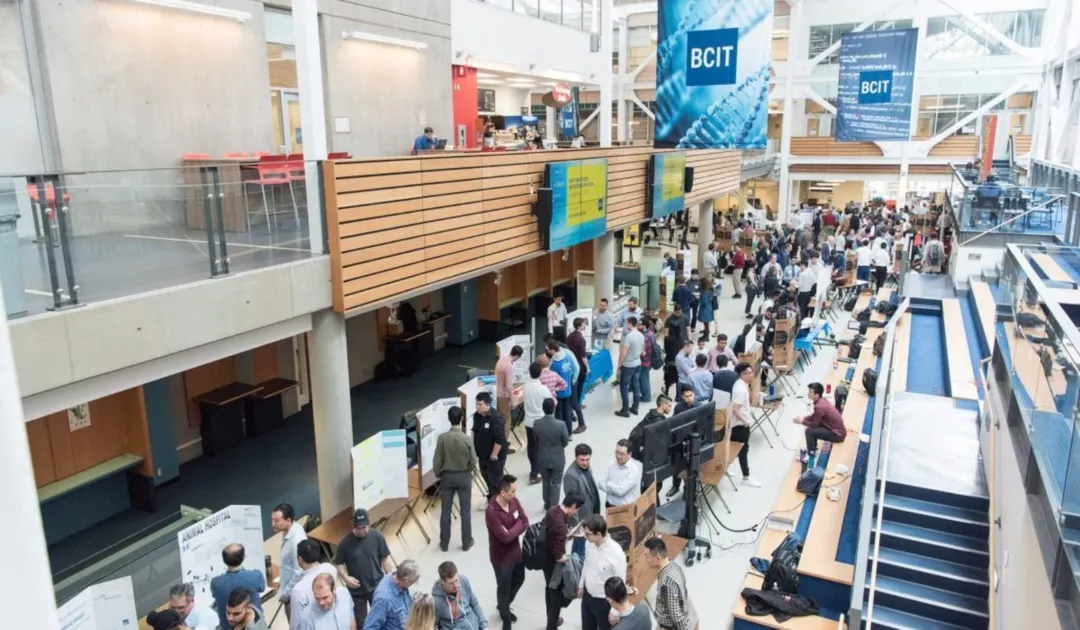
- Campus: The largest BCIT campus is home to hundreds of specialized learning spaces, including classrooms, shops, labs, simulators, broadcast studios, green roofs, energy grids, forests, and waterways.
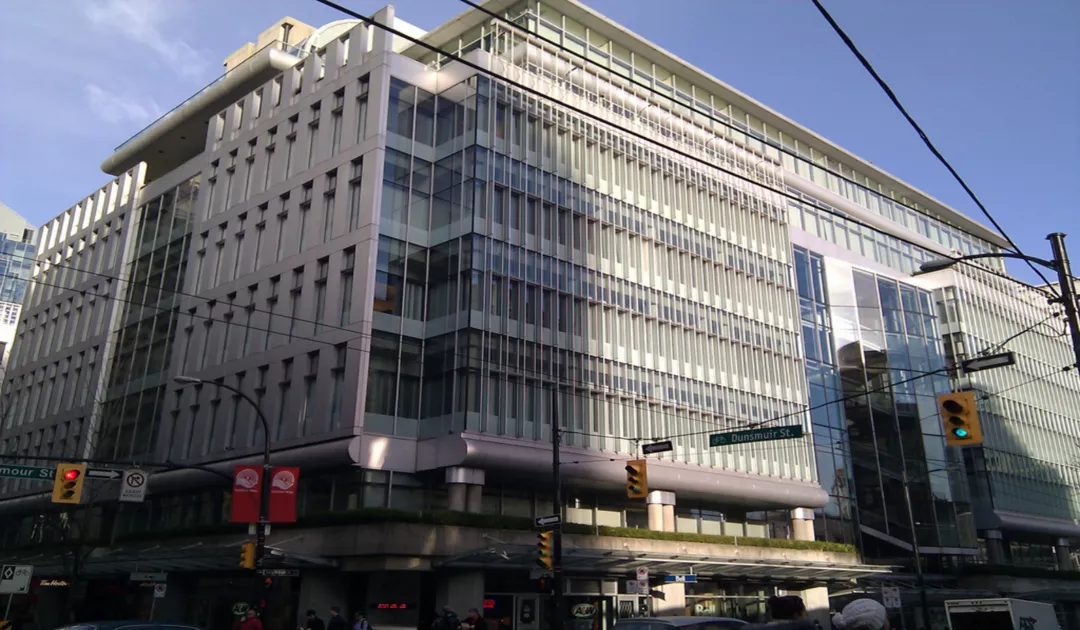
- Facilities: BCIT has some of the best training facilities around—including a 300,000-square-foot, state-of-the-art Aerospace Technology Campus; a broadcast and media studio; and a forensics lab. The Downtown Campus features the TEC Hub, an innovative and collaborative IT learning space in the heart of the Vancouver downtown tech corridor.
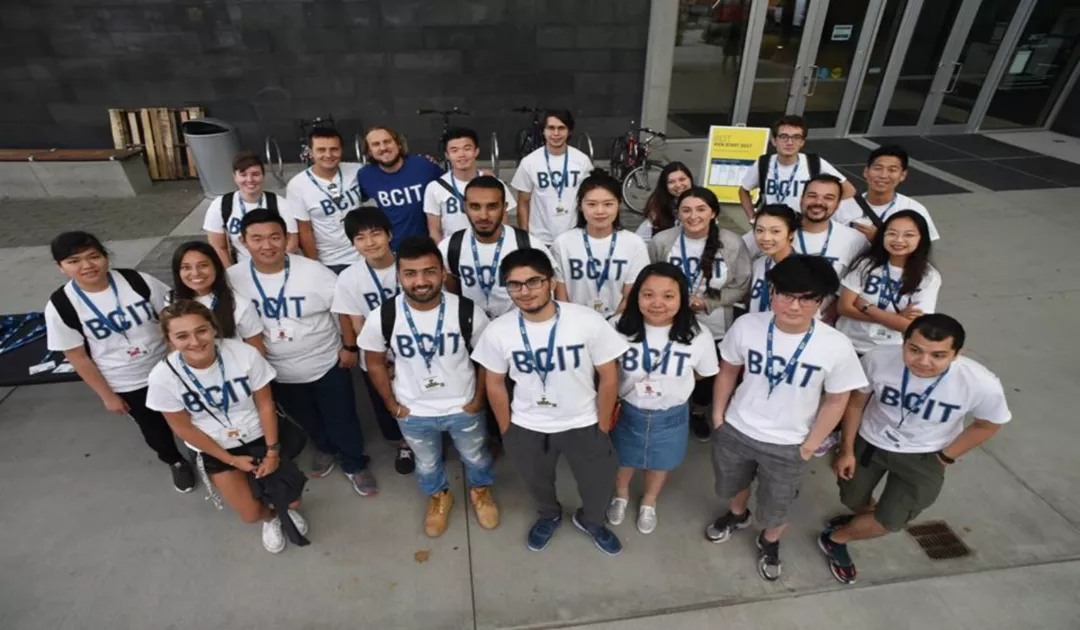
- Small Classes: Small class sizes mean students get more one-on-one attention from their instructors and better opportunities to network with the students in their program.
- Relevant Curriculum: The curriculum is developed through close consultation with industry, ensuring students are ready to hit the ground running the day they graduate.
Campus life
Programs
Courses at British Columbia Institute of Technology
Bachelor's · Engineering & Construction
Bachelor of Architectural Science
4 years
Next intake: Sep 2027
Apply by 8 Apr 2027
Bachelor's · Engineering & Construction
Bachelor of Architectural Science
4 years Next intake: Sep 2027 Apply by 8 Apr 2027
Program Description
Architectural technology is a bridge between pure design theory and construction practice. This program will broaden the knowledge and skills of the architectural technologist in areas of current interest to the building community, increase opportunities for job placement within the industry, and improve graduates' opportunities for career advancement. The Bachelor in Architectural Science is a full-time, four-year program that delivers a broadly based, technically current curriculum on the theoretical and applied aspects of architectural science.
Upcoming intakes: Sep 2027 · Sep 2028
Bachelor's · Business & Management
Bachelor of Business Administration (BBA) (Flexible Credential)
1.5 years – 3 years
Next intake: Apr 2027
Apply by 1 Apr 2027
Bachelor's · Business & Management
Bachelor of Business Administration (BBA) (Flexible Credential)
1.5 years – 3 years Next intake: Apr 2027 Apply by 1 Apr 2027
The Bachelor of Business Administration is designed for students who have completed or plan to complete specific BCIT diplomas, aiming to deepen their knowledge of advanced business theories and skills.
The BCIT Bachelor of Business Administration (BBA) degree provides students the opportunity to enhance the skills developed in their diploma programs. Students broaden their knowledge in the BBA with courses that focus on critical and strategic thinking skills. This is achieved through a group of core of upper level business and general education courses.
With the business world constantly changing and becoming more complex, the BBA creates well rounded graduates who are able to look at an organization’s problems through different perspectives. Students increase their opportunities of advancement in their current organization with the skills learned in the program.
Please note: Flexible Credential programs are part-time however enrollment in these programs does not affect PGWP eligibility.
Upcoming intakes: Apr 2027 · Sep 2027 · Jan 2028
Bachelor's · Engineering & Construction
Bachelor of Engineering – Civil Engineering
4 years
Next intake: Sep 2027
Apply by 15 Apr 2027
Bachelor's · Engineering & Construction
Bachelor of Engineering – Civil Engineering
4 years Next intake: Sep 2027 Apply by 15 Apr 2027
Civil engineering is a diverse, rewarding and challenging profession. Civil engineers and technologists team together to plan, design, construct and maintain road and rail transportation systems, port and airport facilities, bridges, tunnels, dams, and buildings of all types; water, gas and oil pipelines; energy-generating facilities, water, air and waste treatment plants, to name but a few of their activities in an ever-expanding field of endeavour. Civil engineers are, to a great extent, the designers, builders and custodians of society's built environment as well as stewards of the natural environment.
The BCIT Bachelor of Engineering (BEng) in Civil Engineering prepares students for professional engineering practice. With a focus on developing strong skills in engineering science and design, communications, and management, the program presents many opportunities to develop critical thinking, problem solving and creative abilities. A Diploma in Civil Engineering credential is conferred after the first two years of academic study and, if they meet the continuation requirements, a Bachelor of Engineering in Civil Engineering is conferred upon successful completion of academic year four.
Please note that all students in the Bachelor of Engineering in Civil Engineering must complete 700 hours of practical work experience in order to graduate.
Note: It is recommended that students apply to the February 1st deadline to increase their chance of acceptance. The April deadline is only available if space permits.
Upcoming intakes: Sep 2027 · Sep 2028
Bachelor's · Health & Nursing
Bachelor of Environmental Public Health – Environmental Public Health
2 years
Next intake: Sep 2027
Apply by 1 Sep 2027
Bachelor's · Health & Nursing
Bachelor of Environmental Public Health – Environmental Public Health
2 years Next intake: Sep 2027 Apply by 1 Sep 2027
Program Description
The BCIT Environmental Health program is applied learning at its best. Industry-leading instructors train students to become a health inspector and environmental public health professional.
Through legislation, education, and promotion, our graduates work with people in almost every industry to safeguard public health. It’s an important job. Students gain current, practical experience to become certified and start working as soon as they graduate.
About The Program
- Two-year, full-time Bachelor of Technology program
- Small class size provides students with individual support
- Lectures, field trips, and research deliver a solid theory-based knowledge
- A three-month practical experience at a BC health agency gives them direct field experience
Who It's For
This program is for individuals who:
- Like working with teams to problem solve and manage conflict in a public health setting
- Enjoy a flexible work environment that changes daily
- Have an interest in building strong communication skills
- Have two or more years of post-secondary education
Upcoming intakes: Sep 2027 · Sep 2028
Bachelor's · Computing & IT
Bachelor of Science – Applied Computer Science – Database (Flexible Credential)
2 years
Next intake: Jan 2027
Apply by 1 Jan 2027
Bachelor's · Computing & IT
Bachelor of Science – Applied Computer Science – Database (Flexible Credential)
2 years Next intake: Jan 2027 Apply by 1 Jan 2027
The Bachelor of Science in Applied Computer Science degree is designed to increase the breadth and depth of knowledge and practical skills of computer professionals, assisting them in widening their job opportunities or advancing along their career paths. Graduates are awarded a credential that is highly valued by the industry. The Bachelor of Technology degree in Computer Systems has two components. The first component is made up 42.0 credits of technical courses and major projects. This includes core courses, specialty courses (depth in a specific area) and technical electives (breadth in additional areas). The major projects allow the student to apply specialty knowledge in a real-life project, study, or applied research project. The second component consists 18.0 credits of General Education and Management courses.
The Database Option focuses on establishing a set of advanced skills encompassing the key areas of data model schema design, data processing, database management and data analytics. It prepares graduates with in-depth knowledge of the following: data modelling, database system architectures and management, online transaction process and concurrency control, query optimization, parallel processing, distributed processing, data warehouse, multi-dimension schema design, online analytical processing, data mining, object-oriented database technology storing large data objects and unstructured data.
Please note: Flexible Credential programs are part-time however enrollment in these programs does not affect PGWP eligibility.
Upcoming intakes: Jan 2027 · Apr 2027 · Sep 2027
Bachelor's · Engineering & Construction
Bachelor of Technology – Construction Management (Flexible Credential)
28 months
Next intake: Jan 2027
Apply by 1 Jan 2027
Bachelor's · Engineering & Construction
Bachelor of Technology – Construction Management (Flexible Credential)
28 months Next intake: Jan 2027 Apply by 1 Jan 2027
The Bachelor of Technology Construction Management (BTech CM) degree program equips students with the skills necessary to effectively manage construction projects of varying complexity and size. The program focuses on developing management, technical and interpersonal skills, while introducing practical tools and current approaches used in the industry to plan, manage and track construction projects from conception to completion.
The BTech CM program recognizes the wide range of roles available to construction managers in today’s competitive and technologically advancing construction industry. Graduates of the program are able to advance diverse career opportunities, coordinating and managing projects for general contractors, trade contractors, developers, owners, municipalities, public sector institutions and private clients, to name a few.
Please note: Flexible Credential programs are part-time however enrollment in these programs does not affect PGWP eligibility.
Upcoming intakes: Jan 2027 · Apr 2027 · Sep 2027
Bachelor's · Computing & IT
Bachelor of Technology – Forensic Investigation – Digital Forensics and Cybersecurity
2 years
Next intake: Sep 2027
Apply by 1 Sep 2027
Bachelor's · Computing & IT
Bachelor of Technology – Forensic Investigation – Digital Forensics and Cybersecurity
2 years Next intake: Sep 2027 Apply by 1 Sep 2027
Program Description
Computers are increasingly being used in criminal activity. From fraud to violent crime, computers are often found to play a significant role as a tool for planning and conducting a crime, and may contain relevant evidence pertaining to an offence. As indispensable tools in our everyday life, computers and mobile devices are key targets for criminals wishing to steal personal or corporate information, money, and more. There is therefore a growing need for specialists trained in the field of digital forensics and cybersecurity. Specialists in these fields rely on an essential combination of technical expertise, investigative skills, legal knowledge and communication skills.
Training in computer forensics is extremely important in order to understand how to handle the delicate information in storage devices. Technical people may think they know how to extract data; however, they may inadvertently alter or delete important information. Computer forensics practitioners know how to handle information extraction, as well as how to identify information that is useful in a legal case and how to explain and present it in court.
Upcoming intakes: Sep 2027 · Sep 2028
Master's · Engineering & Construction
Master of Applied Science – Building Engineering/Building Science
2 years
Next intake: Sep 2027
Apply by 31 Mar 2027
Master's · Engineering & Construction
Master of Applied Science – Building Engineering/Building Science
2 years Next intake: Sep 2027 Apply by 31 Mar 2027
The BCIT Building Engineering/Building Science Master of Applied Science program provides students with the capabilities to independently conduct rigorous, innovative research and publish, present and defend those research outcomes to expert peers. A core course component teaches advanced knowledge and skills leading to a holistic understanding of building performance. Specialized elective technical courses prepare students with in-depth knowledge to enable them to conduct research in their particular area. A well-structured research component is included in the program to enable students to develop research skills.
Students are required to complete a research methods course, conduct a literature survey, develop a research plan, write a research proposal, undertake innovative scientific research and complete a comprehensive research thesis that advances scientific knowledge. Students will conduct research independently with guidance from a thesis supervisory committee.
Upcoming intakes: Sep 2027 · Sep 2028
Master's · Engineering & Construction
Master of Applied Science – Building Engineering/Building Science (Flexible Credential)
16 months
Next intake: Sep 2027
Apply by 31 Mar 2027
Master's · Engineering & Construction
Master of Applied Science – Building Engineering/Building Science (Flexible Credential)
16 months Next intake: Sep 2027 Apply by 31 Mar 2027
The BCIT Building Engineering/Building Science Master of Applied Science program provides students with the capabilities to independently conduct rigorous, innovative research and publish, present, and defend those research outcomes to expert peers.
A core course component teaches advanced knowledge and skills leading to a holistic understanding of building performance. Specialized elective technical courses prepare students with in-depth knowledge to enable them to conduct research in their particular area. A well-structured research component is included in the program to enable students to develop research skills.
Students are required to complete a research methods course, conduct a literature survey, develop a research plan, write a research proposal, undertake innovative scientific research and complete a comprehensive research thesis that advances scientific knowledge. Students will conduct research independently with guidance from a thesis supervisory committee.
Please note: Flexible Credential programs are part-time however enrollment in these programs does not affect PGWP eligibility.
Upcoming intakes: Sep 2027 · Sep 2028
Master's · Science & Environment
Master of Engineering – Building Science
16 months
Next intake: Sep 2027
Apply by 31 Mar 2027
Master's · Science & Environment
Master of Engineering – Building Science
16 months Next intake: Sep 2027 Apply by 31 Mar 2027
The Master of Engineering in Building Science degree is designed to provide students from various engineering disciplines with advanced knowledge and skills to achieve a holistic understanding of building performance through a core course component, which is composed of a fundamental technical cluster, and an applied technical cluster. Students will gain in-depth knowledge of a specialty area through focused elective technical courses and a supervised research project.
The Master of Engineering degree:
- Offers an interdisciplinary curriculum
- Specializes in building science
- Emphasizes an engineering approach for practical problem solving
- Focuses on applied research to provide solutions to industry problems
- Engages students in interdisciplinary research
- Is supported by a strong foundation of research infrastructure unique to western Canada
- Delivers a first-of-a-kind program in BC and western Canada
Upcoming intakes: Sep 2027 · Sep 2028
Master's · Science & Environment
Master of Engineering – Building Science (Flexible Credential)
1 year
Next intake: Sep 2027
Apply by 31 Mar 2027
Master's · Science & Environment
Master of Engineering – Building Science (Flexible Credential)
1 year Next intake: Sep 2027 Apply by 31 Mar 2027
The Master of Engineering in Building Science degree is designed to provide students from various engineering disciplines with advanced knowledge and skills to achieve a holistic understanding of building performance through a core course component, which is composed of a fundamental technical cluster, and an applied technical cluster. Students will gain in-depth knowledge of a specialty area through focused elective technical courses or a supervised research project.
Please note: Flexible Credential programs are part-time however enrollment in these programs does not affect PGWP eligibility.
Upcoming intakes: Sep 2027 · Sep 2028
Master's · Engineering & Construction
Master of Engineering – Smart Grid Systems and Technologies
2 years
Next intake: Sep 2027
Apply by 30 Jun 2027
Master's · Engineering & Construction
Master of Engineering – Smart Grid Systems and Technologies
2 years Next intake: Sep 2027 Apply by 30 Jun 2027
The MEng in SGST program leverages BCIT’s decade long research results, domain expertise, world-class infrastructure, seasoned faculty, and strategic partnerships with industry. Graduates of MEng in SGST will develop hands-on knowledge and understanding of foundational concepts involved in Smart Grid technologies employed in Critical Infrastructure, including applications in renewable energies, green transportation, and smart cities.
Upcoming intakes: Sep 2027 · Sep 2028
Master's · Engineering & Construction
Master of Engineering – Smart Grid Systems and Technologies (Flexible Credential)
2 years
Next intake: Sep 2027
Apply by 30 Jun 2027
Master's · Engineering & Construction
Master of Engineering – Smart Grid Systems and Technologies (Flexible Credential)
2 years Next intake: Sep 2027 Apply by 30 Jun 2027
The MEng in SGST program leverages BCIT’s decade long research results, domain expertise, world-class infrastructure, seasoned faculty, and strategic partnerships with industry. Graduates of MEng in SGST will develop hands-on knowledge and understanding of foundational concepts involved in Smart Grid technologies employed in Critical Infrastructure, including applications in renewable energies, green transportation, and smart cities.
Upcoming intakes: Sep 2027 · Sep 2028
Master's · Computing & IT
Master of Science – Applied Computing
2 years
Next intake: Sep 2027
Apply by 31 Mar 2027
Master's · Computing & IT
Master of Science – Applied Computing
2 years Next intake: Sep 2027 Apply by 31 Mar 2027
This degree focuses on Applied Computing, which is fundamentally related to applying computing technology and computational methods to derive solutions to complex practical problems. Coursework will emphasize current issues in industry, case studies, and applied research projects.
This program offers students a chance to work with an interdisciplinary and diverse team of academic supervisors that may include faculty from Computing, faculty from an application domain, as well as industry practitioners. They will also have the opportunity to undertake directed studies with a supervisor in a different department to explore a specific application area.
Students will also have the opportunity to undertake directed studies with a supervisor in a different department to gain additional knowledge in a specific application area.
Two paths are offered, diverging in the second year:
1. Thesis Path – Path 1: complete a thesis project and defend it in their second year. They will need to demonstrate originality in the application of their knowledge, either through new publishable research, or a novel solution to an existing practical problem. This is the best path if they are interested in possibly pursuing a future Ph.D.
2. Project and Internship Path – Path 2: a one-semester research project with a one-semester internship. The internship will embed students in a company where they can learn how advanced computing techniques are applied to solve interdisciplinary problems. The project may be done in collaboration with the industry sponsor from the internship, providing added value in terms of practical utility. Students will also complete a 3-credit special topics course, covering emerging areas in Applied Computing, such as Cloud Computing, Generative AI, or Deep Learning.
Upcoming intakes: Sep 2027 · Sep 2028
Master's · Science & Environment
Master of Science – Ecological Restoration (Course)
2 years
Next intake: Sep 2027
Apply by 31 Mar 2027
Master's · Science & Environment
Master of Science – Ecological Restoration (Course)
2 years Next intake: Sep 2027 Apply by 31 Mar 2027
The BCIT MSc in Ecological Restoration offers a unique, interdisciplinary curriculum to provide you with the science-based knowledge and practical skills necessary to deliver effective restoration programs, while leading respectful engagement with right-holder communities.
This MSc program can be completed in two academic years and has two options:
- Course-based: Combines an intensive set of courses with a one-term applied ecological restoration project. Coursework includes 18 credits for the core courses, 9 credits in specialized ecological restoration electives, and 3 credits in the applied ecological restoration project.
- Thesis-based: Requires a smaller set of courses and more intensive research work in a master’s thesis. Coursework includes 18 credits for the core courses and 12 credits for the thesis. The degree consists of a year of courses plus 52 weeks of thesis research or more as needed.
Both options offer applied research experience and a custom path to specialization within the ecological restoration discipline, either through intensive research work in a thesis or through an applied ecological restoration project and the completion of specialized courses with a strong hands-on component.
The core program consists of six courses designed to lay a common foundation in theoretical and applied concepts of ecological restoration, research methods, project management skills, and social environmental skills. The courses were specifically planned to offer you a balance between theoretical concepts and applied hands-on training. Core courses will focus on preparing you to identify the ecological problem, critically assess the information available, and develop a scientifically defensible restoration plan, while engaging the communities involved and developing strong partnerships.
You will learn to be adaptable and resourceful and to communicate well, while maintaining a high level of professionalism and scientific rigour. These skills will be highly transferable to many disciplines, beyond the specific field of ecological restoration.
Upcoming intakes: Sep 2027 · Sep 2028
Master's · Science & Environment
Master of Science – Ecological Restoration (Course) (Flexible Credential)
2 years
Next intake: Sep 2027
Apply by 31 Mar 2027
Master's · Science & Environment
Master of Science – Ecological Restoration (Course) (Flexible Credential)
2 years Next intake: Sep 2027 Apply by 31 Mar 2027
The BCIT MSc in Ecological Restoration offers a unique, interdisciplinary curriculum to provide you with the science-based knowledge and practical skills necessary to deliver effective restoration programs, while leading respectful engagement with right-holder communities.
This MSc program can be completed in two academic years and has two options:
- Course-based: Combines an intensive set of courses with a one-term applied ecological restoration project. Coursework includes 18 credits for the core courses, 9 credits in specialized ecological restoration electives, and 3 credits in the applied ecological restoration project.
- Thesis-based: Requires a smaller set of courses and more intensive research work in a master’s thesis. Coursework includes 18 credits for the core courses and 12 credits for the thesis. The degree consists of a year of courses plus 52 weeks of thesis research or more as needed.
Both options offer applied research experience and a custom path to specialization within the ecological restoration discipline, either through intensive research work in a thesis or through an applied ecological restoration project and the completion of specialized courses with a strong hands-on component.
The core program consists of six courses designed to lay a common foundation in theoretical and applied concepts of ecological restoration, research methods, project management skills, and social environmental skills. The courses were specifically planned to offer you a balance between theoretical concepts and applied hands-on training. Core courses will focus on preparing you to identify the ecological problem, critically assess the information available, and develop a scientifically defensible restoration plan, while engaging the communities involved and developing strong partnerships.
You will learn to be adaptable and resourceful and to communicate well, while maintaining a high level of professionalism and scientific rigour. These skills will be highly transferable to many disciplines, beyond the specific field of ecological restoration.
Upcoming intakes: Sep 2027 · Sep 2028
No courses match your search.
Student life & support
Work while studying
International students can work part-time alongside their studies (subject to visa conditions).
Co-op & placements
Offers co-op or work-placement options in selected programs.
On-campus housing
On-campus residence is available.
Accommodation options
Students need to plan their accommodations well in advance of their arrival as all accommodation options fill up quickly, well before the start of the semester.
On-Campus Residence Accommodations
On-Campus residence accommodations are provided per discretion by the school.
Off-Campus Accommodations
The local area has a variety of off-campus rental housing options including single homes, duplexes, apartments and rooms for rent. Students wishing to live off-campus need to research availability on their own and should arrive well before the start of term to do so.