
- Location
- Halifax, Nova Scotia
- Institution
- Public University
- Founded
- 1873
- Courses listed
- 16
Overview
About Mount Saint Vincent University
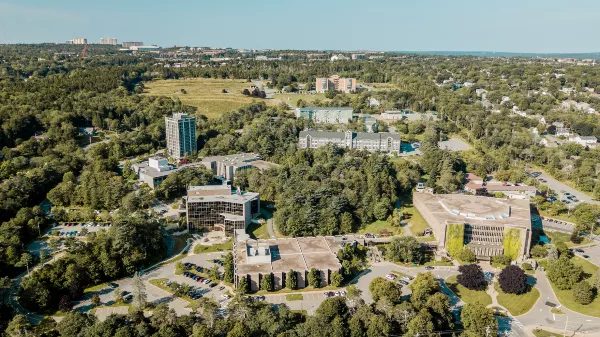
Mount Saint Vincent University (MSVU) is located just minutes away from downtown Halifax. For years, the University has been committed to being a model of creative teaching and research that nurtures socially responsible global citizens. With a unique blend of passion and individuality, Mount Saint Vincent University has unparalleled social impact at home, across the country and around the world.
Mount Saint Vincent university is committed to academic excellence, and their passion is delivering a rich and rewarding university experience. Staff, alumni and students alike are inspired by their school's strong tradition of social responsibility and our enduring commitment to the advancement of women. The school's fundamental values include: Academic Freedom, Accountability, Engagement, Professionalism and Respect.
Why Mount Saint Vincent University
- Location: Never been to Halifax before? Students are in for a treat. One minute, one could be trying on a killer outfit at some fashion-forward boutique. The next minute? Maybe it's kicking back at a waterfront café and watching the ships sail by, or seeing the next big indie rock band at a local venue. With vibrant theatre, music, and arts communities, Halifax is pulsing with life!
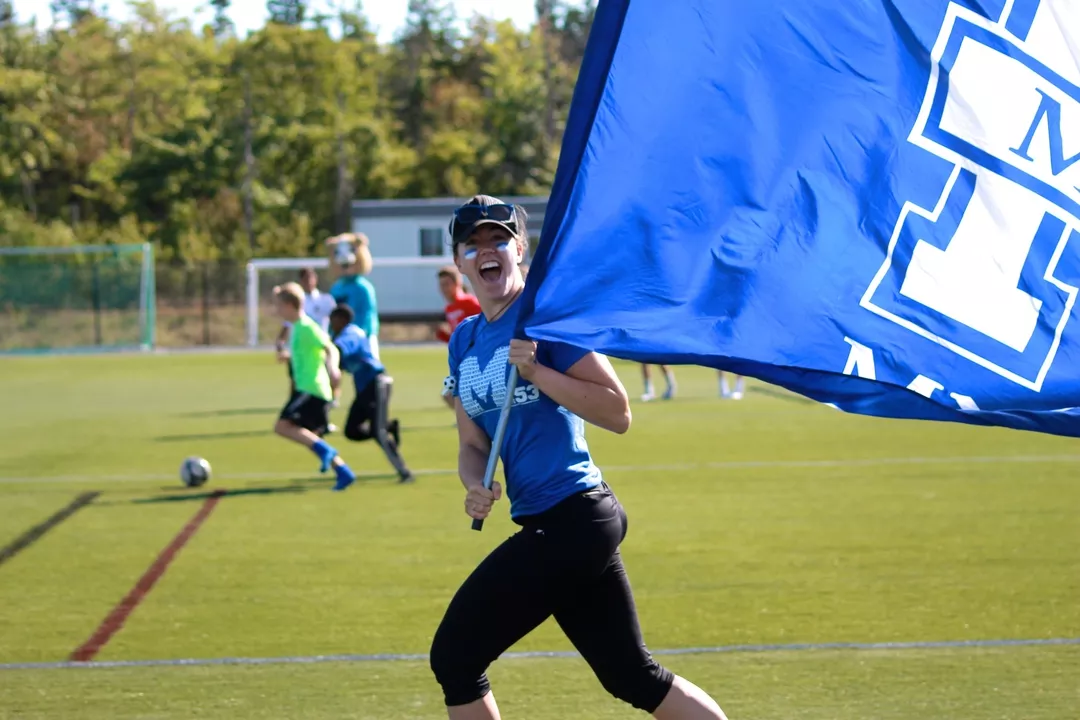
- Campus Life: There are a wide variety of student clubs and societies to join at Mount Saint Vincent University, all of which have strong ties to the community.
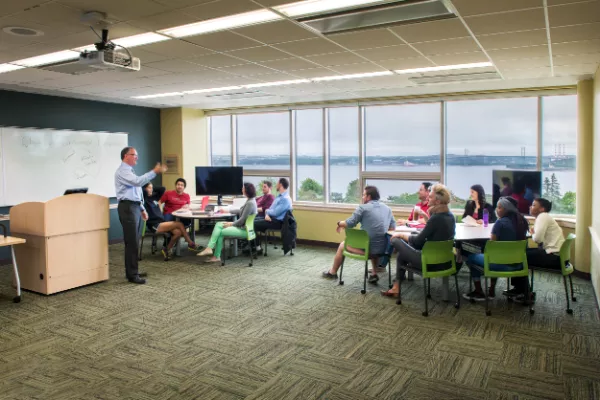
- Small Classes: The average class size has less than 24 students at the University, which means that students can get to know their professors and peers on a more personal level.
- Health and Wellness: Mount Saint Vincent University is dedicated to the health and wellness of its students. Students can enjoy various recreational sports teams, join fitness classes, or receive personal training without ever leaving campus.
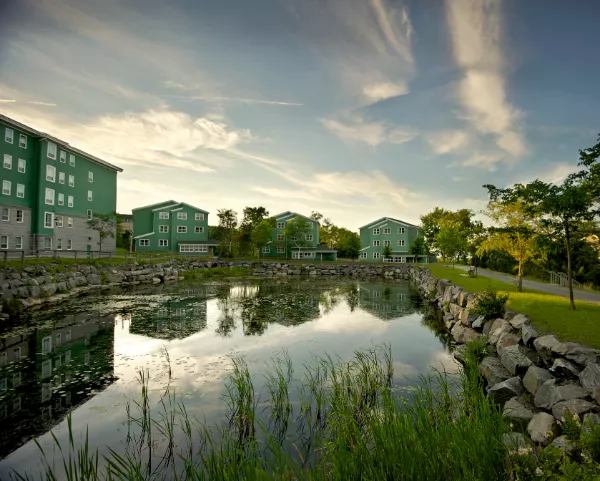
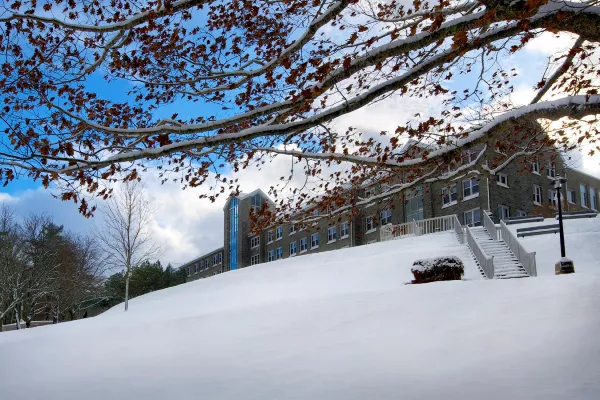
Campus life
Programs
Courses at Mount Saint Vincent University
Bachelor's · Social Sciences & Psychology
Bachelor of Arts – Child and Youth Study
4 years
Next intake: Sep 2027
Apply by 19 Jun 2027
Bachelor's · Social Sciences & Psychology
Bachelor of Arts – Child and Youth Study
4 years Next intake: Sep 2027 Apply by 19 Jun 2027
The Mount is proud to offer the only university-level Child & Youth Study program in Atlantic Canada. Students in the program engage in practical training and theoretical explorations in child and youth work, early childhood education, as well as early intervention and inclusive development. As strong supporters of experiential learning the Mount is pleased to offer their undergraduates four supervised practicum placements which enable students to apply the knowledge that they have learned in the classroom to hands-on, real-world experience. They also offer a Master of Arts in Child and Youth Studies.
The Department is committed to laying the groundwork for future leaders in the ECE and Child and Youth care fields. The BA(CYS) degree will also prepare students for further education and professional preparation in Child and Youth Study, Education, Speech Language Pathology, Child Life and Social Work.
Upcoming intakes: Sep 2027 · Sep 2028
Bachelor's · Science & Environment
Bachelor of Arts – Mathematics
4 years
Next intake: May 2027
Apply by 4 Jan 2027
Bachelor's · Science & Environment
Bachelor of Arts – Mathematics
4 years Next intake: May 2027 Apply by 4 Jan 2027
Mathematics is one of the most original products of the human mind. It has many important applications in science, engineering, and statistics, but mathematics is also an important field of study for its own sake. Throughout history each culture has developed its own mathematics to solve its problems. Today there is an internationally accepted mathematics that is studied and used across the world. With society's increasing need for information and technology, mathematics will play an even more important role in most occupations and fields of study. It will also continue to be a critical topic in the history of ideas, documenting fundamental modes of human thought.
Some students may take math courses which apply only to their individual areas of study. Others may wish to minor or major in the subject and pursue careers in teaching, statistics, computer science, actuarial science, or many other areas. Whether studied for its many applications or for the beauty of its logical structure and expressive power, mathematics will reward the effort of students with a deeper understanding of the world and how it works.
Upcoming intakes: May 2027 · Sep 2027 · Jan 2028
Bachelor's · Health & Nursing
Bachelor of Science – Applied Human Nutrition – Dietetics
4 years
Next intake: May 2027
Apply by 4 Jan 2027
Bachelor's · Health & Nursing
Bachelor of Science – Applied Human Nutrition – Dietetics
4 years Next intake: May 2027 Apply by 4 Jan 2027
For students who enroll in one of the Bachelor of Science programs in Applied Human Nutrition, they'll be working with world-class faculty to understand the principles and research developments in this innovative and highly relevant field. For students who plan to become a dietitian, a researcher, or a nutritionist, for those who want to work in product development, food security or community nutrition, or the health care field, and for those who plan to build their career in Canada or abroad, the Mount's programs will give them the skills and the knowledge that they need to excel.
Studying dietetics will help students to understand how to apply the principles of food, nutrition and health to promoting the nutritional well-being of the public. Students who earn their Dietetics degree, they can build a rewarding career in community nutrition, in the food industry, in fitness and sports nutrition, or they can go on to become a researcher or pursue graduate studies in the field. In the final year of study in this program, students can apply for a dietetic internship to become a registered dietitian. Or, as a graduate of the BSc AHN Dietetics program, can apply to a graduate program with a combined internship, such as the Master of Science in Applied Human Nutrition (internship option).
Upcoming intakes: May 2027 · Sep 2027 · Jan 2028
Bachelor's · Health & Nursing
Bachelor of Science – Applied Human Nutrition – Nutrition
4 years
Next intake: May 2027
Apply by 4 Jan 2027
Bachelor's · Health & Nursing
Bachelor of Science – Applied Human Nutrition – Nutrition
4 years Next intake: May 2027 Apply by 4 Jan 2027
Mount Saint Vincent University's world-class faculty are committed to the pursuit of knowledge, understanding and responsibility for food, nutrition, and health issues in social, political, cultural, ecological and economic contexts. Whether students plan to become a dietitian or nutritionist, to work in health care, food product development, community nutrition or food service, or to build a career in Canada or abroad, Mount's programs will give students the knowledge and skills that they need to meet their goals.
BScAHN Nutrition: This program is best suited to those who are not interested in becoming a dietitian and want freedom to choose more electives. Nutrition is the study of the relationships among food, its nutrients, the environment, and health. Careful choice of electives prepares graduates to seek work in a variety of fields including commodity marketing boards, food retailing, government, social services, homemaking services, and the agri-food sector. Graduates may also choose to pursue additional studies for careers in school or community teaching, research, or business or to pursue graduate studies (e.g. nutritional sciences, food studies).
Upcoming intakes: May 2027 · Sep 2027 · Jan 2028
Bachelor's · Science & Environment
Bachelor of Science – Biology
4 years
Next intake: May 2027
Apply by 4 Jan 2027
Bachelor's · Science & Environment
Bachelor of Science – Biology
4 years Next intake: May 2027 Apply by 4 Jan 2027
Biology is the science of life. Students will study fundamental concepts of life and its different forms. From simplest microbes to the highly complex animals and plants, students will learn about their genetics, cellular and molecular biology, morphology (form) and physiology (function), as well as their developmental biology and their interactions and ecological importance in the environment. Students at the Mount enjoy a close knit community of students and faculty, small class sizes, and life in Halifax.
Biology students will graduate with a BSc or a BSc Honours degree after four years of study. Biology may also be taken as a combined major, concentration or minor. Students will develop a solid background in natural sciences such as chemistry and physics as well as transferable skills like analytical and scientific thinking, problem solving, analysis and interpretation of data sets, and summarizing data and communicating results through written reports or verbal presentations.
Before committing to a field of specialization and starting a thesis project, students will have the opportunity to conduct directed research projects with Mount faculty to get better insight in the field of research. Areas of specialization in research groups at the Mount include plant biology, animal science and microbial biology.
Upcoming intakes: May 2027 · Sep 2027 · Jan 2028
Bachelor's · Science & Environment
Bachelor of Science – Chemistry
4 years
Next intake: May 2027
Apply by 4 Jan 2027
Bachelor's · Science & Environment
Bachelor of Science – Chemistry
4 years Next intake: May 2027 Apply by 4 Jan 2027
Chemistry is the study of matter; its composition, the changes it undergoes, and the accompanying changes in energy. The Department of Chemistry at the Mount challenges students in their course work to be both analytical and creative. Small class sizes, and in many cases, the opportunity to participate in research prepares undergraduate students for their future endeavors.
The faculty in the Department of Chemistry are dedicated to the success of each and every student, and bring a wealth of experience across various research areas. As a chemistry student, one will have the opportunity to work directly with faculty in different areas of research such as quantum chemistry and biochemistry, organic and inorganic chemistry, and more.
Mount graduates have gone on to work in a number of fields including industrial (pharmaceutical, oil, medicine, food, manufacturing), government and education sectors. Chemistry also offers academic careers for those who pursue further study, research or teaching.
Upcoming intakes: May 2027 · Sep 2027 · Jan 2028
Bachelor's · Social Sciences & Psychology
Bachelor of Science – General Studies
3 years
Next intake: May 2027
Apply by 4 Jan 2027
Bachelor's · Social Sciences & Psychology
Bachelor of Science – General Studies
3 years Next intake: May 2027 Apply by 4 Jan 2027
The Bachelor of Science - General Studies degree offers a broad background in the humanities, sciences and social sciences. Students intending to complete the general studies degree must declare their intention to do so before they register for their sixth unit of coursework. Students who do not make this declaration within this time frame will not be permitted to register for further coursework.
Upcoming intakes: May 2027 · Sep 2027 · Jan 2028
Master's · Social Sciences & Psychology
Master of Aging and Family Science (Non-thesis)
2 years
Next intake: Sep 2027
Apply by 15 Feb 2027
Master's · Social Sciences & Psychology
Master of Aging and Family Science (Non-thesis)
2 years Next intake: Sep 2027 Apply by 15 Feb 2027
The graduate program in Aging and Family Science will help students develop a deep understanding of the key issues that affect this field: family dynamics and development, or individual and population aging. They can focus their studies on Family Science or on Aging. Family Science considers individuals and families across the life-course, as well as the programs and policies that affect families. Aging focuses on issues related to aging and the challenges that older persons encounter.
A Master’s degree can help students become a leader, and educator, or a researcher in their field. Graduates of the Master's programs in Aging and Family Science are pursuing careers in aging, community or family services, family life education, community development, social work, and more.
International applicants are welcome in the graduate programs, and are encouraged to apply as early as possible so that sufficient time is allocated for obtaining a student visa.
Upcoming intakes: Sep 2027 · Sep 2028
Master's · Health & Nursing
Master of Applied Human Nutrition (Non-thesis)
1 year
Next intake: Sep 2027
Apply by 15 Feb 2027
Master's · Health & Nursing
Master of Applied Human Nutrition (Non-thesis)
1 year Next intake: Sep 2027 Apply by 15 Feb 2027
The Master of Science Applied Human Nutrition and the Master of Applied Human Nutrition programs provide students with the opportunity for advanced level study in nutrition, with an emphasis on issues related to community nutrition, food and human nutrition. The programs explore the theoretical foundations of nutrition through critical reflection on current research and practice within the discipline and drawing from other related disciplines.
Students seeking registration as a professional dietitian and who meet Partnership for Dietetic Education and Practice (PDEP) undergraduate competencies may also apply to the Internship Education Program when they apply to either the Master of Science Applied Human Nutrition or the Master Applied Human Nutrition program. The Internship Education Program enables students to build on theoretical knowledge and internship experiences to fulfill the competencies required by PDEP to reach entry-level professional dietetic competence.
Students who are not seeking registration as a professional dietitian may apply for the Food and Nutrition Practicum Program during study in either the Master of Science Applied Human Nutrition or the Master Applied Human Nutrition programs.
Upcoming intakes: Sep 2027 · Jan 2028 · Sep 2028
Master's · Social Sciences & Psychology
Master of Arts – Aging and Family Science (Thesis)
2 years
Next intake: Sep 2027
Apply by 15 Feb 2027
Master's · Social Sciences & Psychology
Master of Arts – Aging and Family Science (Thesis)
2 years Next intake: Sep 2027 Apply by 15 Feb 2027
The graduate program in Aging and Family Science will help students develop a deep understanding of the key issues that affect this field: family dynamics and development, or individual and population aging. They can focus their studies on Family Science or on Aging. Family Science considers individuals and families across the life-course, as well as the programs and policies that affect families. Aging focuses on issues related to aging and the challenges that older persons encounter.
A Master’s degree can help students become a leader, and educator, or a researcher in their field. Graduates of the Master's programs in Aging and Family Science are pursuing careers in aging, community or family services, family life education, community development, social work, and more.
International applicants are welcome in the graduate programs, and are encouraged to apply as early as possible so that sufficient time is allocated for obtaining a student visa.
Upcoming intakes: Sep 2027 · Sep 2028
Master's · Social Sciences & Psychology
Master of Arts – Child and Youth Study (Thesis)
2 years
Next intake: Sep 2027
Apply by 15 Feb 2027
Master's · Social Sciences & Psychology
Master of Arts – Child and Youth Study (Thesis)
2 years Next intake: Sep 2027 Apply by 15 Feb 2027
Program Description
The Master of Arts program in Child and Youth Study will help students to develop an understanding of issues that affect children and youth in the Maritime region, in Canada, and around the world. In this thesis-based program, students will conduct focused and relevant original research in areas like early intervention, child and youth development, social justice, race and ethnic relations, child and youth health and wellness, play, and more.
This program will help students to become a leader, a researcher, or an educator in this field. The Master’s program builds on the knowledge and skills that were developed through undergraduate education and practical experience. In both course work and in thesis research, students will delve into the theories that support the practices of professionals who work in the field of child and youth study.
Upcoming intakes: Sep 2027 · Sep 2028
Master's · Arts, Media & Design
Master of Arts – Communications (Thesis)
2 years
Next intake: Sep 2027
Apply by 15 Feb 2027
Master's · Arts, Media & Design
Master of Arts – Communications (Thesis)
2 years Next intake: Sep 2027 Apply by 15 Feb 2027
Students in one of the Mount Saint Vincent University's graduate programs will develop a deep and meaningful understanding of the discipline of communication studies - the philosophies, the principles and how these apply to scholarly and professional practice.
The MA in Communication is a traditional thesis-based Master's program that requires students to complete four full-units of course work and one-unit of thesis. This degree will prepare students to become a highly-educated communications professional, or pursue further research as an exceptional scholar and academic.
Upcoming intakes: Sep 2027 · Sep 2028
Master's · Social Sciences & Psychology
Master of Arts – Education – Curriculum Studies – General (Thesis)
1 year
Next intake: Sep 2027
Apply by 15 Feb 2027
Master's · Social Sciences & Psychology
Master of Arts – Education – Curriculum Studies – General (Thesis)
1 year Next intake: Sep 2027 Apply by 15 Feb 2027
Master’s degree in Curriculum Studies will help students to develop the advanced skills to address different student needs and interests by examining how curriculum affects student success.
The Master of Arts in Education program consists of 4.0 units of study plus a thesis. A student may focus upon curricular theory and practice, in which case courses should be selected from among philosophy and theory of curriculum, critical analysis, design, implementation, and so forth. Alternatively, a student may elect to study the pedagogy of a particular discipline or subject field, in which case the courses chosen should deal with such matters as the structure of knowledge within the particular discipline or field of interest, research on teaching, and so forth.
Upcoming intakes: Sep 2027 · Jan 2028 · Sep 2028
Master's · Social Sciences & Psychology
Master of Arts – School Psychology (Thesis)
2 years
Next intake: Sep 2027
Apply by 15 Feb 2027
Master's · Social Sciences & Psychology
Master of Arts – School Psychology (Thesis)
2 years Next intake: Sep 2027 Apply by 15 Feb 2027
The Master of Arts program in School Psychology is a speciality program which prepares students to enter the profession of school psychology. The program is designed to address the academic, research and professional practice requirements for registration/licensing as a psychologist in provinces/territories where master’s level preparation is permitted. As well, the program is designed to enable participants to move to doctoral level programs.
The two-year full-time program balances research, theory and practice. It follows a holistic approach to children, youth, and young adults as key collaborators, along with their parents/guardians and other professionals, in addressing their individual strengths and needs within the context of home, school and community.
Note: This program is a limited enrolment program, therefore applications will be reviewed after January 15th.
Upcoming intakes: Sep 2027 · Sep 2028
Master's · Education & Teaching
Master of Arts in Education – Educational Foundations (Thesis)
2 years
Next intake: Sep 2027
Apply by 15 Feb 2027
Master's · Education & Teaching
Master of Arts in Education – Educational Foundations (Thesis)
2 years Next intake: Sep 2027 Apply by 15 Feb 2027
The foundations of education are three distinct scholarly traditions of practice - philosophy of education, history of education, and sociology of education - that inform education and conceptualize frameworks for education research. Sociologists of education study social phenomena such as racism and homophobia and how they exist in and are affected by formal and informal educational contexts. Historians of education research documents and artifacts of value to our understanding of past educational practices and their influence today. Philosophers of education analyze key educational concepts such as 'teaching' and 'authority' and make significant distinctions for educational policy-making and practice.
Here are three suggested areas of study in Foundations, each built around core course offerings:
- Philosophy, History, and Sociology of Education: study all the foundations or specialize in one; learn how to use a method of inquiry for individual or collective practice.
- Value, Bias, Social Justice: examine key themes, their socio-historical influence and value for decision-making in policy and practice.
- Arts, Media, and Culture: study the arts as historical, sociological, and philosophical projects in teaching, learning and research.
Once admitted to the program, students will work with the Program Coordinator to design a program plan that will focus on one of these areas, or another area of study in the field of Educational Foundations.
Note: This program is a limited enrolment program, therefore applications will be reviewed after February 15th for the September start date and after November 2nd for the January start date.
Upcoming intakes: Sep 2027 · Jan 2028 · Sep 2028
Master's · Social Sciences & Psychology
Master of Arts in Education – Studies in Lifelong Learning (Thesis)
2 years
Next intake: Sep 2027
Apply by 15 Feb 2027
Master's · Social Sciences & Psychology
Master of Arts in Education – Studies in Lifelong Learning (Thesis)
2 years Next intake: Sep 2027 Apply by 15 Feb 2027
The Masters programs in Studies in Lifelong Learning prepare students with knowledge and skills to take leadership roles as lifelong educators. Graduate students at the Mount benefit from small classes, knowledgeable instructors, hands-on experiences, and an exciting curriculum. Whether they are interested in supporting learning in formal education institutions, families, communities, or workplaces, students find the program rich, engaging, and pertinent. Students come from many different educational and workplace backgrounds. The common denominator is that they are interested in how learning occurs across the lifespan. Often they are currently involved or would like to become involved in teaching other adults.
A graduate degree in lifelong learning will provide students with a wealth of academic knowledge and research that will be effective in the workplace, and best-practice methods for sharing information with others, and more - including:
- Understand the process of learning across the lifespan
- Design educational programs (workshops, seminars, curriculum)
- Strategies for teaching effectively
- Improved communication skills
- Increase your capacity for creativity
Note: This program is a limited enrolment program, therefore applications will be reviewed after February 15th for the September start date and after November 2nd for the January start date.
Upcoming intakes: Sep 2027 · Jan 2028 · Sep 2028
No courses match your search.
Student life & support
Work while studying
International students can work part-time alongside their studies (subject to visa conditions).
Co-op & placements
Offers co-op or work-placement options in selected programs.
On-campus housing
On-campus residence is available.
Accommodation options
Students need to plan their accommodations well in advance of their arrival as all accommodation options fill up quickly, well before the start of the semester.
On-Campus Residence Accommodations
On-Campus residence accommodations are provided per discretion by the school.
Off-Campus Accommodations
The local area has a variety of off-campus rental housing options including single homes, duplexes, apartments and rooms for rent. Students wishing to live off-campus need to research availability on their own and should arrive well before the start of term to do so.
Homestay
There are a wide variety of homestay options available, and our partners do their best to match students and hosts according to their interests and preferences. Homestay hosts include single people, young couples with children and pets, and older couples. All homestay accommodations have been inspected, and all adults in the home have completed a required criminal reference check.