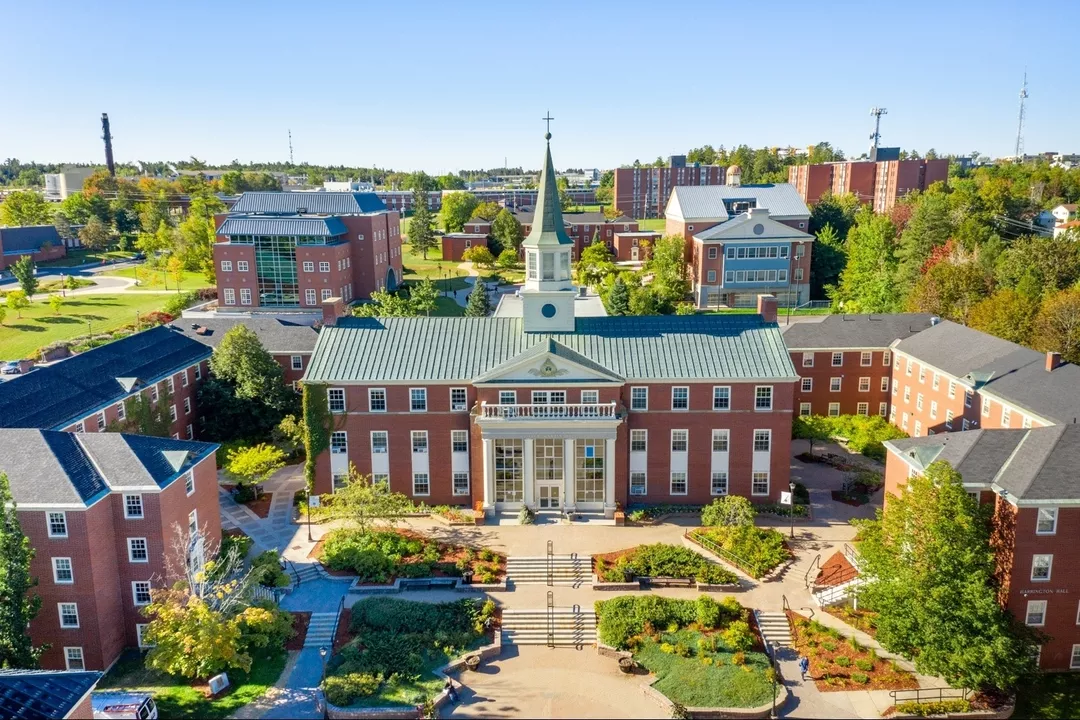

- Location
- Fredericton, New Brunswick
- Institution
- Public University
- Founded
- 1910
- Courses listed
- 2
Overview
About St. Thomas University (CAN)
St. Thomas University, located in Fredericton, New Brunswick, is a small university of that provides students big opportunities! St. Thomas University is a primarily undergraduate university dedicated to excellence in liberal arts education. The Bachelor of Arts is the heart of St. Thomas' academic community, with more than 30 programs offered in the humanities and social sciences. For more than 100 years, St. Thomas University's small, supportive community has been bonded by a shared commitment to the liberal arts and social justice.
St. Thomas University's 1,800 Bachelor of Arts students engage in a broad and rigorous education through exceptional offerings in traditional disciplines such as Psychology, English, Political Science, and Fine Arts, and more unique programs that offer increasing value to today's world - Communications and Public Policy, Criminology, Gerontology, Human Rights and Journalism. Students participate in experiential learning opportunities - service learning, field work, internships and practicums, travel study, lab work - that allow them to use their education in practical settings and experience the value of a liberal arts education to society.
Why St. Thomas University
- Classes: Each class offered at St. Thomas University is small and intimate. Capped at 60 students, their average class size is only 29 students, and upper year classes are even smaller. Classes are discussion and debate-based, and professors are able to get to know their students and offer individualized attention.
- Teaching Excellence: 91% of first-year students at St. Thomas University rate their experience as excellent or good. One reason is that the St. Thomas's emphasis on teaching, academic challenge, and developing new thinking skills are rated among the highest in Canada.
- Support: The Student Services Department supports students every step of the way. Offering resources for academic support, career planning, stress management, and more, students have a team of people to help them through their time at university.
- Opportunities: At St. Thomas University, there is an understanding that a university degree is about more than just attending class. Students attend national conferences, study abroad, publish their research and work on professional research with professors. They take on leadership roles in student government and residence life, work part-time jobs on campus, and intern and volunteer throughout the city.
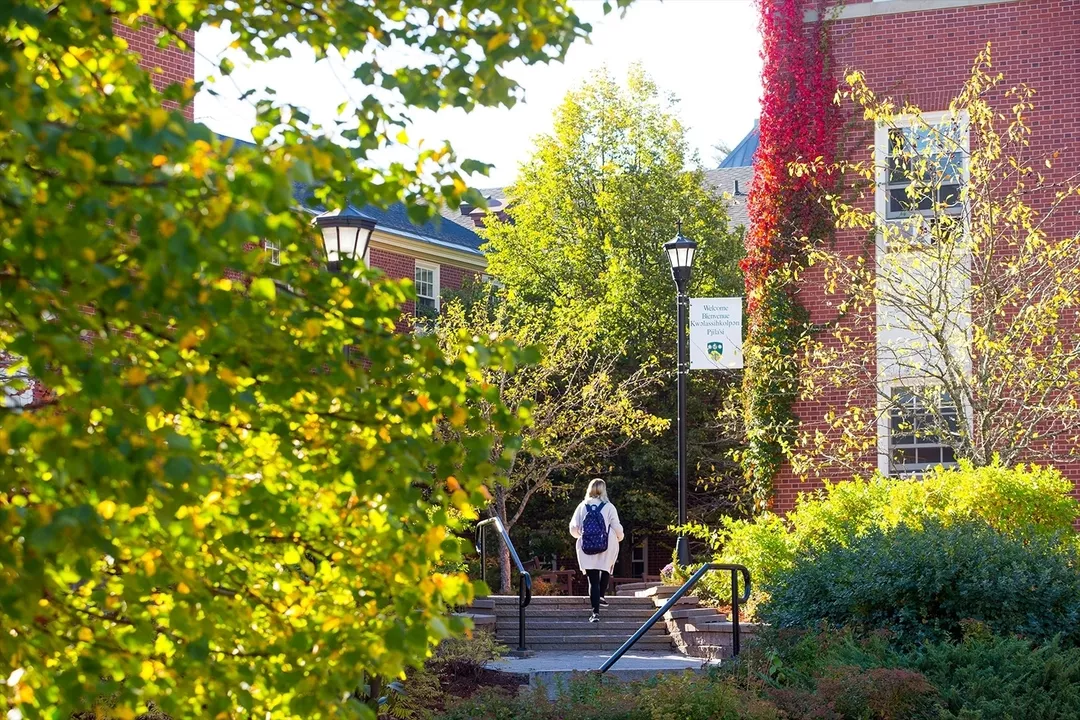
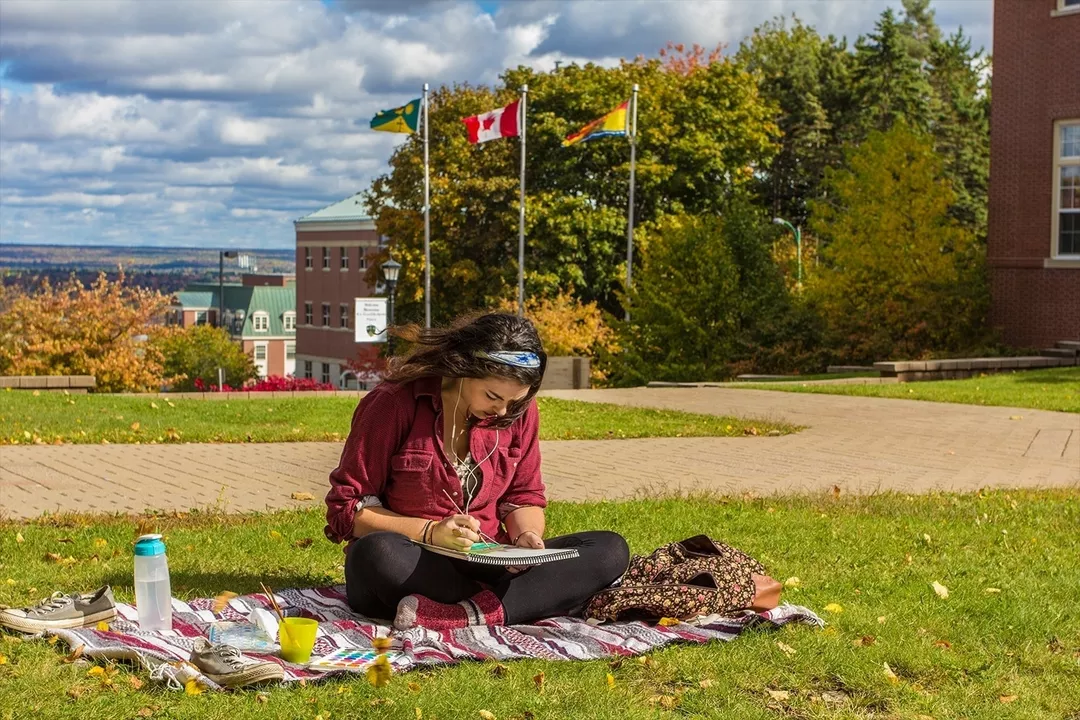
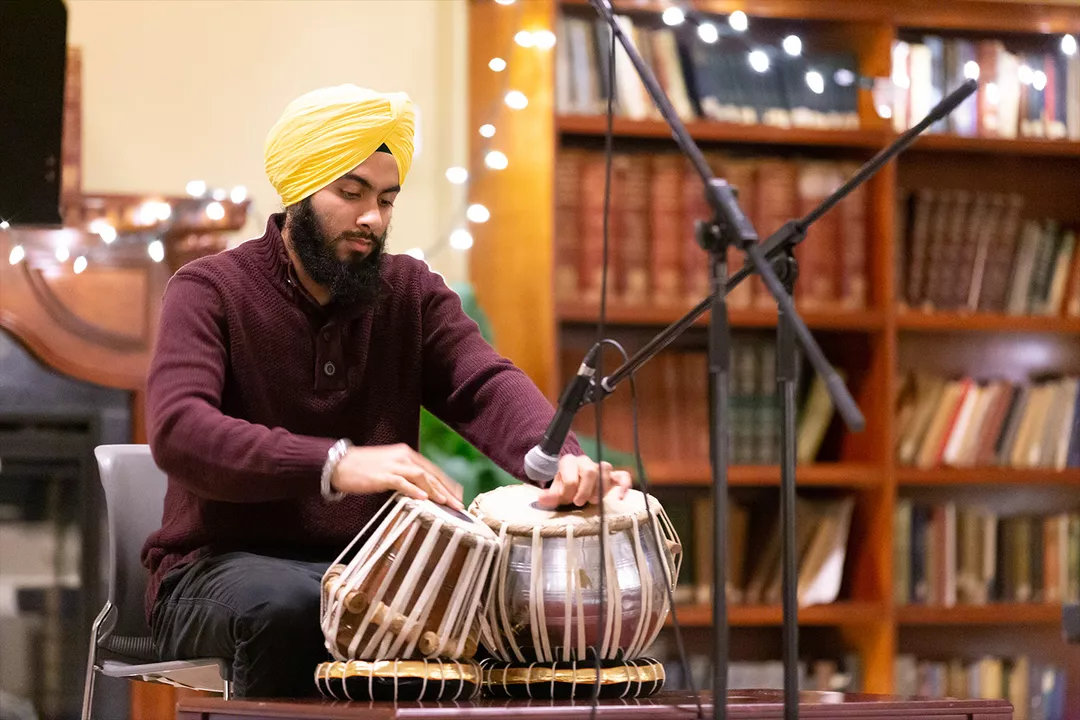
Campus life
Programs
Courses at St. Thomas University (CAN)
Bachelor's · Law & Criminology
Bachelor of Arts – Criminology and Criminal Justice
4 years
Next intake: Jan 2027
Apply by 1 Jan 2027
Bachelor's · Law & Criminology
Bachelor of Arts – Criminology and Criminal Justice
4 years Next intake: Jan 2027 Apply by 1 Jan 2027
Criminology is a discipline that seeks to understand how people behave in difficult, confusing, stressful, tragic, and bizarre situations. As the study of Criminology often involves political, social, and personal consideration, students learn to analyze theories of criminal behavior and fairly and accurately evaluate criminal justice systems and policies.
The program at St. Thomas University examines the people and institutions that affect, and are affected by, the justice system, exploring the impact on offenders, victims, and the public.
Upcoming intakes: Jan 2027 · Sep 2027 · Jan 2028
Bachelor's · Social Sciences & Psychology
Bachelor of Social Work
15 months
Next intake: Sep 2027
Apply by 31 Jan 2027
Bachelor's · Social Sciences & Psychology
Bachelor of Social Work
15 months Next intake: Sep 2027 Apply by 31 Jan 2027
Program Description
The Social Work Program at St. Thomas places major emphasis on understanding the structural roots of social problems in Canadian society. The cause of much of the suffering and inequality in society is seen to be rooted in our social and economic order, and not in the individual, the family, or the subculture. All interventions are seen within the context of this understanding and, although much of social work practice is concerned with the immediate needs of individuals, the resolution of social problems is seen as necessarily involving interventions in our major social institutions.
The main objective of the post-degree Bachelor of Social Work (BSW) degree is to provide graduates with a generic practice framework so that they are prepared to deliver services to various client constituencies at a level of competence suitable for beginning practice.
The post-degree BSW is designed for university graduates whose undergraduate programs include a substantial liberal arts component, and who are familiar with, and committed to, a career in social work. Limited in enrolment, the post-degree BSW is an intensive, 60-credit hour, 15-month program. It builds on your previous undergraduate education and leads to the professional BSW credential.
The post-degree BSW is limited in enrolment to 52 students. Admission is highly competitive and possession of minimum requirements does not guarantee admission. Candidates are assessed on the basis of academic preparation and professional suitability.
The post-degree program is designed to provide students with 60 credit hours in social work courses over a period of four semesters. The following is a description of the program design and courses to be taken in each semester. Prior to acceptance, applicants will have completed an empirical research methods course which provides familiarity with a broad range of qualitative and quantitative research methods as well as research ethics. This course will be reviewed by the admission committee.
Applicants with an overall IELTS score between 5.0 and 6.0 or an overall TOEFL score between 61 and 88 may be offered acceptance on the condition that they enrol in English as a Second Language support at St. Thomas. Applicants with an overall IELTS score of 6.5 or higher or overall TOEFL score of 89 or higher are not required to enroll in English as a Second Language support.
Upcoming intakes: Sep 2027 · Sep 2028
No courses match your search.
Student life & support
Work while studying
International students can work part-time alongside their studies (subject to visa conditions).
Co-op & placements
Offers co-op or work-placement options in selected programs.
On-campus housing
Students typically arrange off-campus or homestay accommodation.
Accommodation options
Students need to plan their accommodations well in advance of their arrival as all accommodation options fill up quickly, well before the start of the semester.
On-Campus Residence Accommodations
On-Campus residence accommodations are provided per discretion by the school.
Off-Campus Accommodations
The local area has a variety of off-campus rental housing options including single homes, duplexes, apartments and rooms for rent. Students wishing to live off-campus need to research availability on their own and should arrive well before the start of term to do so.
Homestay
There are a wide variety of homestay options available, and our partners do their best to match students and hosts according to their interests and preferences. Homestay hosts include single people, young couples with children and pets, and older couples. All homestay accommodations have been inspected, and all adults in the home have completed a required criminal reference check.